Where This Starts
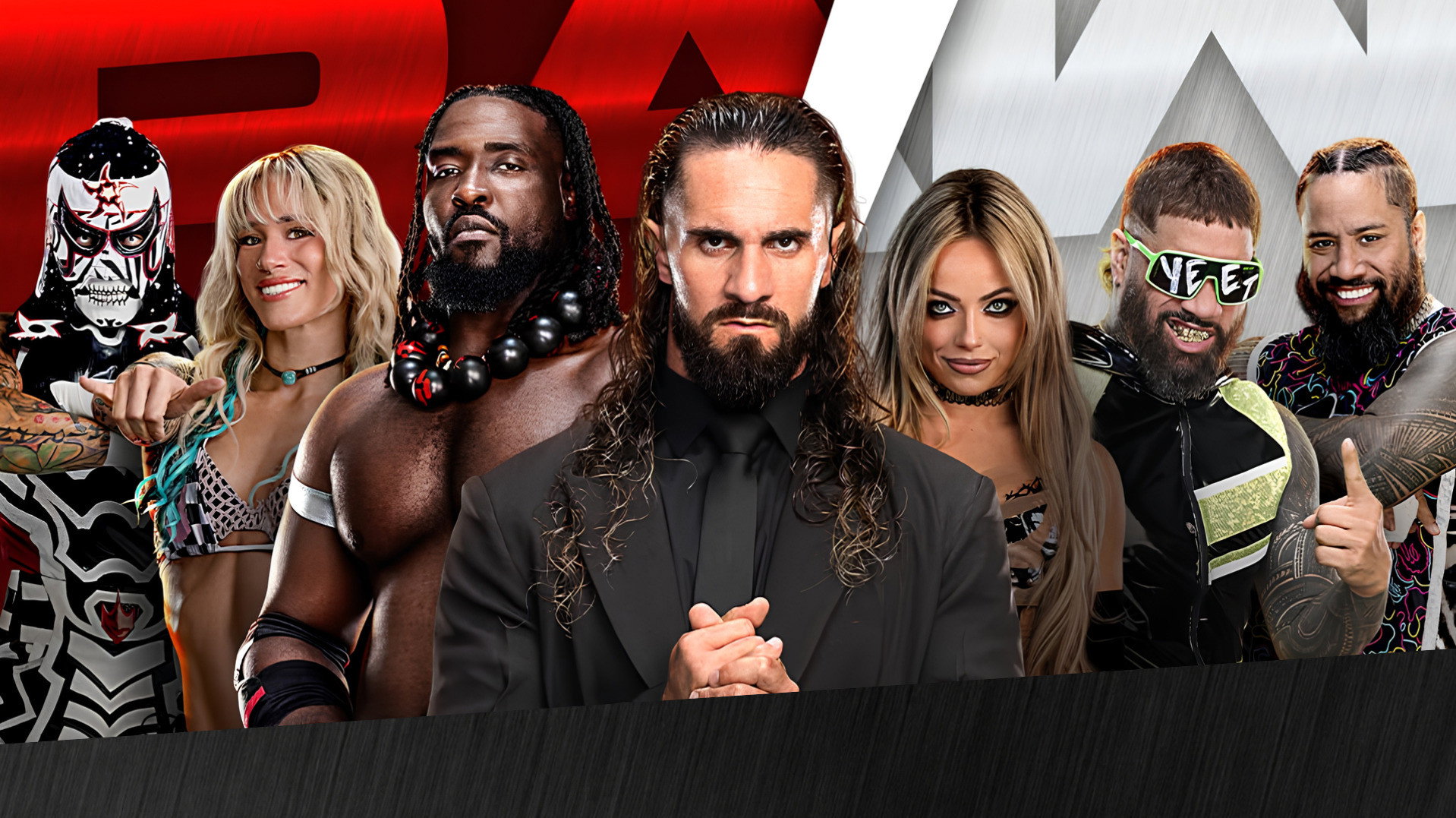
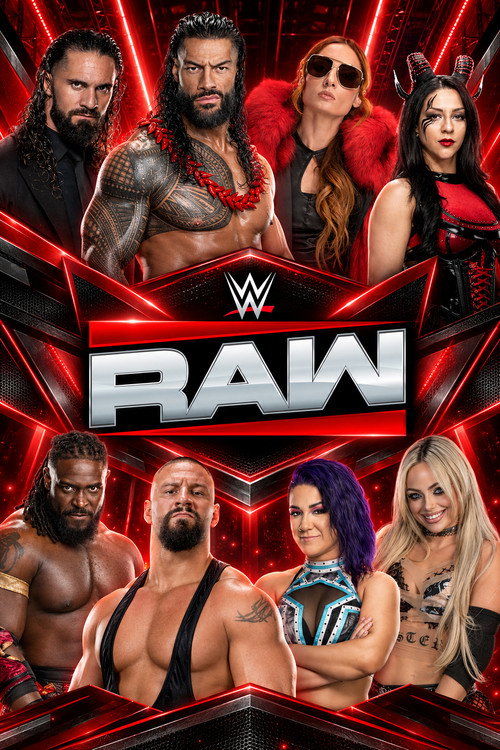
"Raw" is WWE's Monday Night Raw, the flagship pro wrestling show that's been running weekly since 1993 and moved to Netflix in January 2025 as part of a ten-year, roughly $5 billion deal. It's three hours (sometimes cut down for the platform) of scripted matches, promos in front of a hot crowd, and long-running storylines built around whoever's hot that month. If you haven't watched wrestling in a decade, the current roster reads like a generational handoff: Cody Rhodes, Rhea Ripley, Seth Rollins, Bianca Belair, Gunther, Jey Uso, plus the CM Punk return arc that Netflix basically bought the show to keep milking. Paul "Triple H" Levesque runs creative. Michael Cole is still on commentary because Michael Cole will outlive us.
What Works
The in-ring work is genuinely the best it's been in years. Gunther matches are stiff and structured like actual sport. Ripley and Belair are two of the best women's wrestlers WWE has ever had on the same brand at the same time. Rollins knows how to build a match beat by beat the way a good director builds a scene. The Netflix production polish is real, the crowds sound bigger, and the pyro budget hasn't been touched. Triple H's booking is looser and more patient than the Vince McMahon era, which lets stories breathe across weeks instead of getting rewritten Monday afternoon in a limo.
The Argument Against
It's still three hours. Even trimmed, there are long stretches of recap, backstage segments, and matches you've seen twelve times already this year. Commentary hits the same three phrases per exchange. The writing outside the ring swings from sharp (Punk on a live mic) to embarrassing (any comedy segment involving a New Day spinoff faction). And Netflix's algorithm surfaces it like a season of prestige TV, which it is not. This is a variety show.
The Right Viewer
If you watched wrestling as a kid and stopped, this is the easiest re-entry point in twenty years — the storylines are legible within one episode and the ring work rewards attention. If you've never cared about wrestling, three hours of a man in trunks explaining why he's mad at another man in trunks won't convert you. Fans of long-running procedural comfort viewing (football pregame, "SportsCenter" on loop, a "Law & Order" marathon) will click with it faster than people who need a tight three-act structure.
The Verdict
BACKGROUND TV is exactly right, and it's not an insult. Raw is designed to be watched while folding laundry, cooking, or checking your phone, with the volume up enough to catch the pop when someone's music hits. The pacing is built around commercial breaks that Netflix no longer has, which leaves dead air the show fills with more Michael Cole. The craft peaks are real and worth showing up for — a Gunther match, a Punk promo, a Ripley entrance — but they're islands in a lot of filler. No lecturing here, no politics on the podium, just a very old machine that's finally getting produced like it matters, running slightly too long for anyone to sit through upright. Put it on. Do the dishes. Look up when the crowd screams.