The Pitch
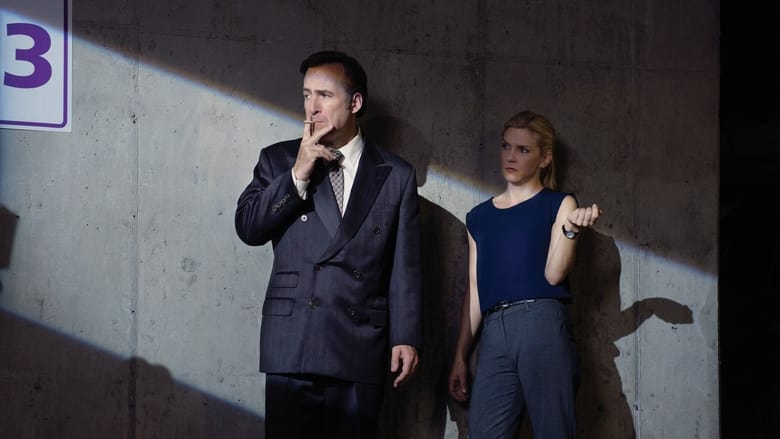
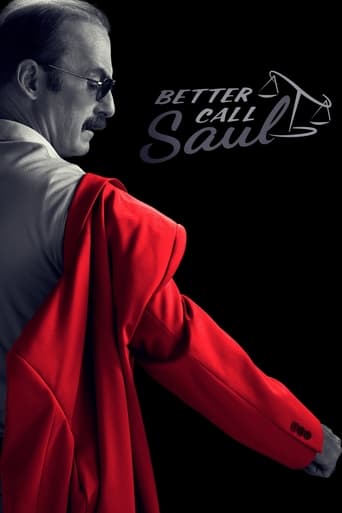
"Better Call Saul" is the AMC prequel-slash-sequel to "Breaking Bad," created by Vince Gilligan and Peter Gould, all six seasons streaming on Netflix. Bob Odenkirk plays Jimmy McGill, a hustler-turned-public-defender scraping by in Albuquerque years before he becomes the strip-mall shyster Saul Goodman. The early episodes set up his orbit: his brilliant, brittle older brother Chuck (Michael McKean), his colleague and moral compass Kim Wexler (Rhea Seehorn), and a stone-faced parking lot attendant named Mike Ehrmantraut (Jonathan Banks) whose day job is not really his day job. It starts as a legal comedy about a man who can't stop cutting corners. It does not stay one.
In Its Favor
Rhea Seehorn. That's the headline. Kim Wexler wasn't in "Breaking Bad" and she becomes the reason a lot of people rank this show above it. Seehorn does more with a pen click and a held breath than most actors do with a monologue. Odenkirk, the sketch guy from "Mr. Show," turns out to be a serious dramatic lead who can play desperation, charm, and self-loathing inside the same scene. Jonathan Banks somehow gets even better at being Mike. The direction is patient in a way almost no current TV can afford, with long single takes of people just working, thinking, cooking eggs. Thomas Schnauz and Gennifer Hutchison write dialogue that respects your intelligence. Even the color palette does character work.
The Argument Against
The pace is the pace. If you need a body or a car chase every 20 minutes, the first season will feel like watching paint dry on a document. Some plotlines run parallel for a very long time before they braid, and the show trusts you to sit with that. The connective tissue to "Breaking Bad" also cuts both ways: if you haven't seen that show, a chunk of the emotional payload lands softer, and if you have, you're occasionally waiting for cameos instead of watching the show in front of you. It's also, at times, punishingly sad. Not depressing-in-a-fun-way sad. Actually sad.
The Right Viewer
If you loved the slow-burn dread of "The Americans" or the character-first patience of "Mad Men," you're home. Fans of legal shows that treat paperwork as suspense — the good "Michael Clayton" energy — will eat this up. People who came to "Breaking Bad" for the meth explosions and stayed for those alone are going to tap out around episode three of season one wondering when the fun starts. It never quite "starts." It just tightens until you can't breathe.
The Bottom Line
DROP EVERYTHING because this is what happens when a writers' room gets to finish the job on its own terms. Six seasons, no filler arcs, no streaming-era bloat, every scene doing three things at once. Gilligan and Gould aren't chasing a message; they're chasing a man, and the tragedy emerges from character choice instead of thematic scaffolding. Nobody is delivering a speech at the camera. Nobody's arc gets bent to service a talking point. The show earns everything it does through drama, which is why the quiet scenes hit like freight trains and the funny scenes stay genuinely funny. Odenkirk and Seehorn are doing career-best work in a legal drama shot like a Coen brothers movie. If you've been putting it off, stop.