Where This Starts
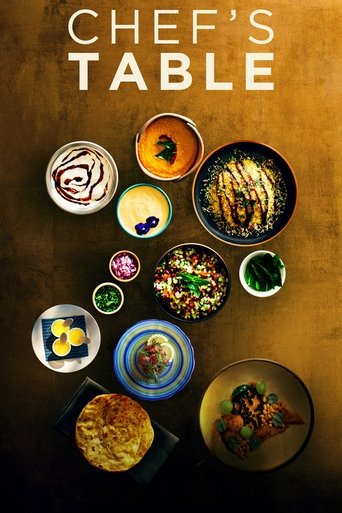
"Chef's Table" is David Gelb's Netflix documentary series, an outgrowth of his 2011 film "Jiro Dreams of Sushi." Each episode picks one chef, plants them in front of a camera that thinks it's shooting a perfume ad, and lets them talk about childhood, failure, and beet foam. The pilot volume in 2015 opened with Massimo Bottura of Osteria Francescana; later seasons featured Dan Barber, Francis Mallmann cooking whole lambs on a stake in Patagonia, Niki Nakayama running kaiseki in Los Angeles, Magnus Nilsson at Fäviken. Since then it's spun off into "BBQ," "Pizza," "France," "Pastry," and "Legends." The format doesn't move. Chef, kitchen, backstory, plated masterpiece, Vivaldi.
The Argument For
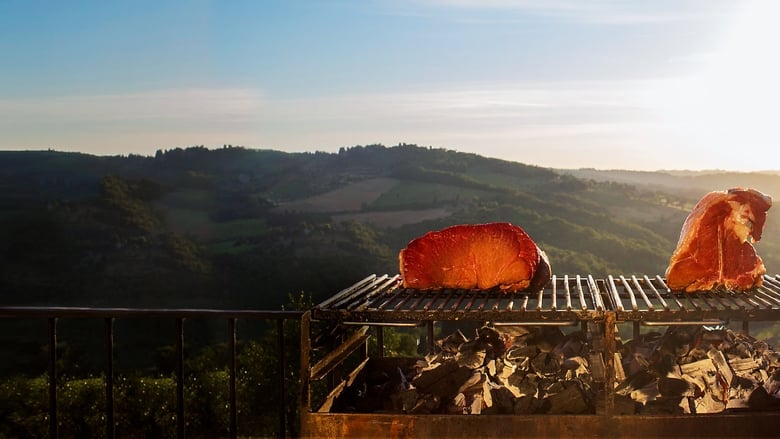
The photography is genuinely beautiful. Cinematographers Adam Bricker and Will Basanta shoot food like Terrence Malick shoots wheat fields, and the sound design gives you the crackle of pork skin at concert-hall volume. Gelb figured out early that a chef biography can carry a full hour if you frame the person like a painter and the plate like an altarpiece. Bottura's episode is legitimately great television — the Modena setting, the failed-restaurant years, the way he talks about tortellini as if it's a moral question. Mallmann in Patagonia is unforgettable staging. Nakayama's episode does something almost no food show tries, which is treat a woman running a Japanese fine-dining kitchen with the same reverence usually reserved for graying European men.
The Argument Against
It's the same episode fifty times. Chef had a hard father, chef quit somewhere prestigious, chef nearly went broke, chef found their voice, now their tasting menu is a spiritual event. The score swells on cue. Every plate is described as a memory. Nobody on camera has a bad day, a bad review, or a health inspector. The reverence gets airless — you start to notice that the show has one setting, and it's "cathedral." The spinoffs stretched the formula thinner; "Pizza" and "BBQ" work when the chef is a genuine weirdo and go slack when they aren't.
Who It's For, Who'll Bounce
If you liked "Jiro Dreams of Sushi," "Somebody Feed Phil," or the calmer stretches of "The Bear," you'll settle right in. It rewards the viewer who wants ambient prestige while folding laundry. People who need forward momentum, conflict, or a host with a personality will tap out around the second slow-motion pour. Anyone hoping for actual cooking instruction should watch "Salt Fat Acid Heat" instead. This is portraiture, not pedagogy.
The Ruling
BACKGROUND TV is the honest read. The craft on individual episodes is real, and Gelb clearly cares, but the show's grammar is so fixed that after two or three profiles you can predict every beat: the childhood flashback, the wilderness years, the plated close-up scored to strings. That's a compliment for a dishwashing companion and a demerit for anything you'd sit down and give ninety minutes of undivided attention. It isn't preachy — it earns its themes about obsession and place through the chefs themselves rather than lecturing you about food culture — it's just monotone. Beautiful, sincere, monotone. Put it on. Fold something.