
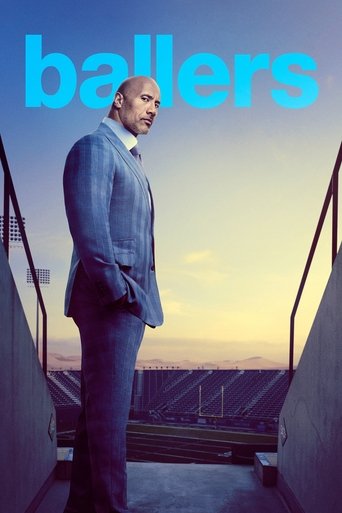
The Premise
Dwayne Johnson plays Spencer Strasmore, a retired NFL linebacker turned Miami financial manager who spends his days trying to keep active and just-retired players from setting fire to their signing bonuses. The show comes from Stephen Levinson, Mark Wahlberg, and Rob Weiss, the same producing team behind "Entourage," and it wears that lineage openly: swap Hollywood for the NFL, Ari Gold for a scowling Rob Corddry, and put a former Pro Bowler at the center instead of a movie star. Rob Corddry runs the firm, John David Washington plays a wideout in freefall, and Omar Miller plays Charles, an ex-lineman trying to figure out what a normal job feels like. First two episodes set the pitch: yachts, contract drama, one big personality per scene.
What Works
Johnson is the reason to press play. His Spencer is quieter than the wrestling-era persona suggests, and the show gets real mileage out of watching a very large man try to be a therapist in a suit. Corddry is the other engine, playing Joe as a caffeinated finance goblin, and the friction between those two performers is the thing that actually works. The Miami location shooting looks expensive because it was, and the football-adjacent stuff, agents, contracts, endorsements, cap hits, has enough insider texture to feel like the writers talked to actual people. When the show is about money instead of feelings, it moves.
What It Gets Wrong
The scripts do not aim high. Plotlines resolve inside single episodes with the neatness of a network procedural, conflicts get talked out on a beach in ninety seconds, and side characters exist mainly to be lectured by Spencer and then get their lives back on track. Variety said it doesn't bring its A-game and that read was fair. Later seasons drift into pivots the show hasn't earned, viewership fell from 1.4 million on the season-one finale to 0.6 million by season four for a reason. It's glossy without being sharp.
The Right Viewer
If you liked "Entourage" and want the same hangout energy with cleats and a slightly more grown-up lead, you'll be fine. Fans of sports podcasts, fantasy football, and NFL Films behind-the-scenes stuff get an extra layer. Anyone who wants the sports-drama seriousness of "Friday Night Lights," the wit of "Succession," or actual reporting like "The Franchise" will be tapping out by episode three. It's a show, not a study.
The Ruling
BACKGROUND TV because that's the register it was built in. Half-hour runtime, breezy Miami color palette, one plot per player per week, jokes that don't demand your full attention, and Johnson's charisma load-bearing everything else. The craft ceiling is set by the scripts, which reheat "Entourage" beats without matching that show's willingness to make its lead unlikable, and by direction that treats every scene like an establishing shot. No sermon problem here, the show has no thesis beyond "money is hard and friends are good," and it delivers that in the exact tone it promises. Nothing on it demands active viewership, and nothing punishes you for looking at your phone. Put it on while you fold laundry, catch the Corddry scenes, let the rest wash over you. First two seasons still the sweet spot.