Where This Starts
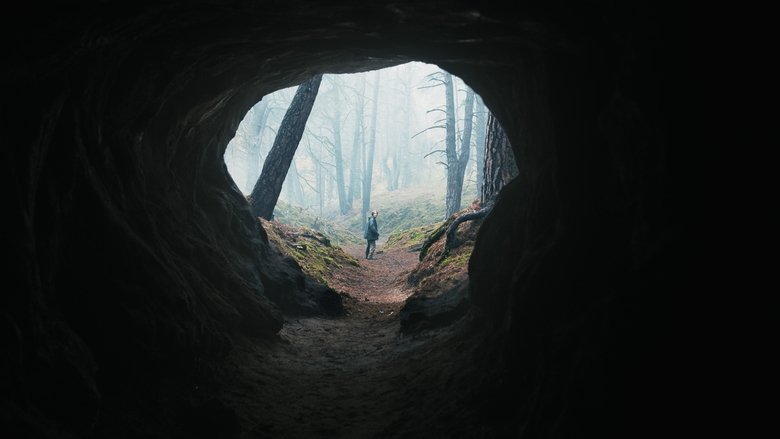
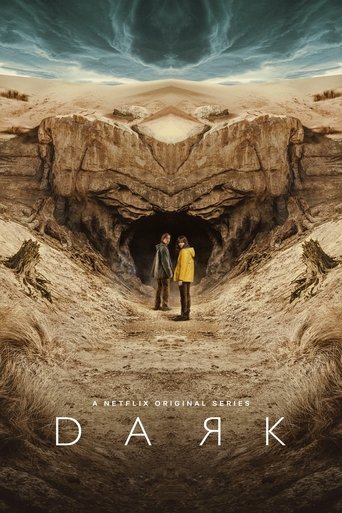
Winden, a fictional German town wedged between a nuclear power plant and a very unfriendly forest. A kid goes missing. Then another one does. Baran bo Odar directs, Jantje Friese writes, and their opening hour lays out four intertwined families the way a good mystery novel lays out suspects: slowly, coldly, with a lot of rain. Louis Hofmann plays Jonas, a teenager whose home life has just cratered. Oliver Masucci plays a schoolteacher father with something to hide. Karoline Eichhorn is the cop mother running the search. That's the first act. A missing-persons case in a small town, and a cave nobody wants to talk about.
The Case For
The craft is the pitch. Odar shoots Winden like a Fincher movie set in a Grimm story, all sodium-orange streetlights and forest black. Ben Frost's score does half the acting, this low industrial hum that makes a kitchen scene feel like a countdown. The writing room's real trick is patience: Friese trusts you to hold names and dates in your head across decades and cast changes, and then rewards you for it. The multi-actor casting is genuinely impressive, three performers playing one person across ages so consistently you stop noticing the seams. Hofmann in particular does a lot with his face and not much dialogue. And it's German, subtitled, unhurried, which after a decade of algorithm-shaped American TV feels like a rinse.
What Doesn't Work
It is genuinely hard to follow. Not "prestige TV hard," actually hard. If you watch an episode a week while checking your phone, you'll be lost by season one's midpoint and furious by season two. The tone is one note: grim, grimmer, then it rains. Nobody cracks a joke. The pacing in the middle stretch tests you on purpose, long silences that pay off eventually but feel like homework in the moment. And the mythology gets dense enough that even attentive viewers end up on Reddit family trees. You will use pause. You will use subtitles even if you speak German.
Who This Is Actually For
People who loved the puzzle-box side of Lost and hated the improvisation. Fans of The Leftovers, True Detective season one, Twin Peaks: The Return, the kind of viewer who considers a family-tree diagram part of the fun. If you bounced off Devs or Severance for being too cold and too slow, you'll bounce off this harder. If you want something to half-watch during dinner, run. This is a lights-off, phone-down show.
The Verdict
WORTH IT because the ambition and the execution are matched. Odar and Friese set themselves a nearly unwritable premise and then actually write it, chapter by chapter, without cheating the audience or hand-waving the mechanics. The performances hold up under a structure that would collapse them in weaker hands. Nothing here is preached. The show has plenty on its mind about family, cycles, guilt, the sins fathers pass down, but Friese delivers all of it through character and plot rather than monologue. No one stops the story to explain what it's about. That's the difference between a series that means something and a series that lectures. Bring the notebook. It earns it.