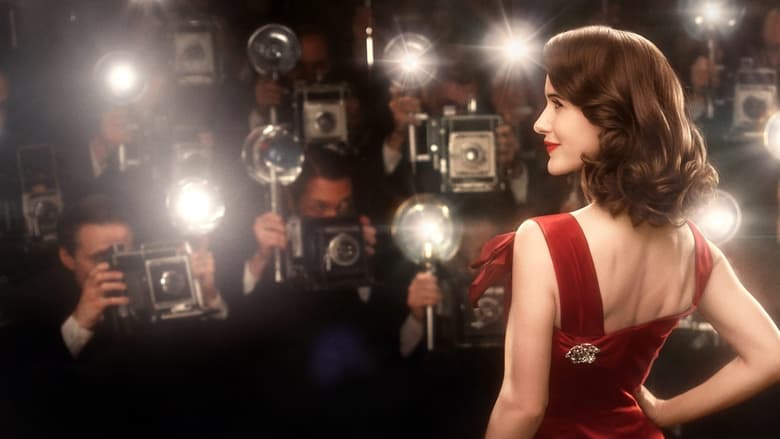
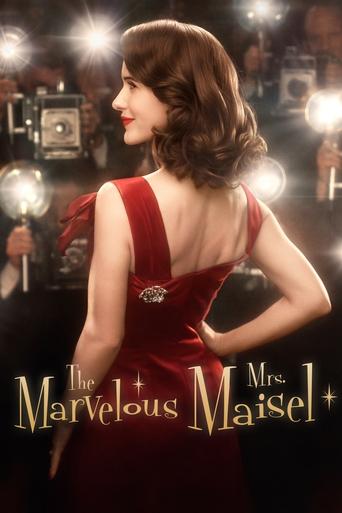
The Premise
Late 1950s Upper West Side. Miriam "Midge" Maisel (Rachel Brosnahan) is a picture-perfect Jewish housewife with a rent-controlled apartment, two kids, a brisket recipe, and a husband trying to moonlight as a stand-up. Her marriage falls apart in the pilot. Drunk, furious, and wearing a nightgown, she stumbles onto the stage at the Gaslight Cafe and turns out to be funnier than her husband ever was. Cue five seasons of her chasing a comedy career while pretending, mostly to her parents, that she isn't. Alex Borstein plays Susie, her scrappy manager. Tony Shalhoub and Marin Hinkle play the parents. Luke Kirby shows up as a fictionalized Lenny Bruce. Amy Sherman-Palladino, of "Gilmore Girls," created it and writes most of it with Daniel Palladino.
What Works
The dialogue. Sherman-Palladino writes at 200 words a minute and Brosnahan can actually hit the notes, which almost nobody can. It's the closest thing television has produced to the old Howard Hawks screwball rhythm since screwball died. The production design is showoff-level: the pink coats, the neon signs, the Catskills resort, the smoky basement clubs, all shot like a Vincente Minnelli musical that wandered into HBO's budget. Tony Shalhoub is doing career-best work as Abe Weissman, a Columbia math professor slowly discovering he has no idea who anyone in his family is. Alex Borstein's Susie is a genuinely original character, a butch cigarette-voiced hustler who looks like she was mugged on the way to work every day. And Luke Kirby's Lenny Bruce is the show's secret weapon — mournful, flirtatious, and used sparingly enough that he never wears out.
The Case Against
Midge, as written, is often insufferable. She's rich, she's supported, she's coddled, and the show keeps insisting the world is unfair to her while every door in Manhattan opens on cue. The set-pieces get repetitive by season three: Midge tanks a gig, Midge nails a gig, Susie yells at somebody, Abe has a crisis in his study. The plotting sometimes stalls to make room for a nine-minute one-take walking scene, which is impressive filmmaking and also a stall. If you don't find the Palladino patter charming, you'll find it exhausting inside twenty minutes.
Who Should Watch
Sticks with you if you loved "Gilmore Girls," if you'll sit through a whole episode of "30 Rock" just for the rhythm, if the words "Coen brothers period piece" perk you up. Bounces if you need a protagonist who grows, if fast overlapping dialogue makes you want to lie down, or if you've hit your lifetime limit on quirky Manhattan Jewish family comedies. Fans of "Fleabag" will find this cornier. Fans of "Mad Men" will find it lighter and less interested in what it's actually saying about the era it's set in.
The Sentence
WORTH IT is right because the craft is real and the ceiling is visible. The writing sparkles line to line, the direction is more inventive than most prestige drama, and the ensemble is stacked with pros doing sharp work. It isn't a masterpiece. The show flatters its heroine too often and mistakes energy for momentum in the middle seasons. Whatever the show wants to say about women in comedy, gender, or the era, it says through Midge bombing, killing, and getting up again — dramatized, not lectured. That's the version of message TV that earns its keep. Put it on.