
The Premise
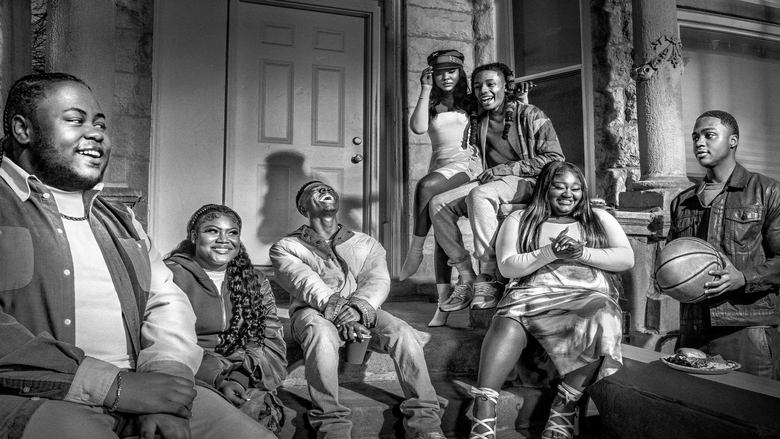
Lena Waithe's South Side ensemble drama, which ran on Showtime from 2018 through its final season in 2025 (now living on Paramount+). Common executive produces. The pilot orbits a handful of Chicago lives that get tangled by a single act of violence: Kevin, a middle-schooler played by Moonlight's Alex Hibbert; Brandon, a young chef with restaurant dreams originally played by Jason Mitchell; Ronnie, a drifting neighborhood fixture played by Ntare Guma Mbaho Mwine; and Emmett, a teenage dad in over his head played by Jacob Latimore. Early episodes establish a neighborhood, not a plot engine.
The Argument For
The first two seasons are the real thing. Rick Famuyiwa directed the pilot and set a tone the show mostly kept for a while: humid, unhurried, more interested in a porch conversation than a shootout. Hibbert is remarkable, doing the kind of watchful child-actor work that reminds you why he broke out. Mwine gives Ronnie a stunned, wandering grief that carries entire episodes. Yolonda Ross as Jada, Emmett's mom, is the show's quiet MVP — she can flatten a scene with a single look across a kitchen. Waithe's writers' room is genuinely good at texture: barbershops, hospital waiting rooms, the specific way a neighborhood talks about itself. When it's cooking, it's a legitimate Chicago answer to the prestige-drama tradition.
What Doesn't Work
It's a seven-season show with maybe two great seasons in it. After the early stretch, the ensemble balloons, the timeline gets loose, and storylines start repeating shapes rather than developing them. Off-screen turmoil didn't help — Jason Mitchell, the original lead, was written out after misconduct allegations, and the show never fully found a new center of gravity. Later seasons swap the observational patience for soapier beats: business deals, new love triangles, cousins arriving with luggage. The dialogue occasionally stops being conversation and starts being position statements about Chicago, gentrification, or fatherhood, and you can feel the writers reaching for the theme instead of trusting the scene to carry it.
Who Should Watch
If you liked the ground-level neighborhood grammar of Snowfall or the ensemble sprawl of Queen Sugar, the early seasons are for you. If you're coming in expecting The Wire's plotting or Atlanta's formal daring, you'll be underwhelmed — this is a warmer, slower, more melodramatic animal. Viewers who need forward momentum will tap out by season four, when the show settles into a rhythm of relationship reshuffles and slow-burn subplots that don't really resolve so much as rotate.
The Verdict
BACKGROUND TV is the honest call because the show's ceiling and its floor live in different zip codes. The early Famuyiwa-era episodes are genuine WORTH IT television. What comes after is watchable, well-acted, occasionally moving, and structurally becalmed. The writing gets more didactic as it goes — characters increasingly narrate the show's ideas about the neighborhood instead of embodying them, and the pacing loses the confidence to just sit with people. It's not preachy because of what it believes; it's preachy because the later scripts stop trusting drama to do the arguing. Put it on, let a Ross scene or a Mwine close-up ambush you, half-fold the laundry. That's the tier.