The Setup
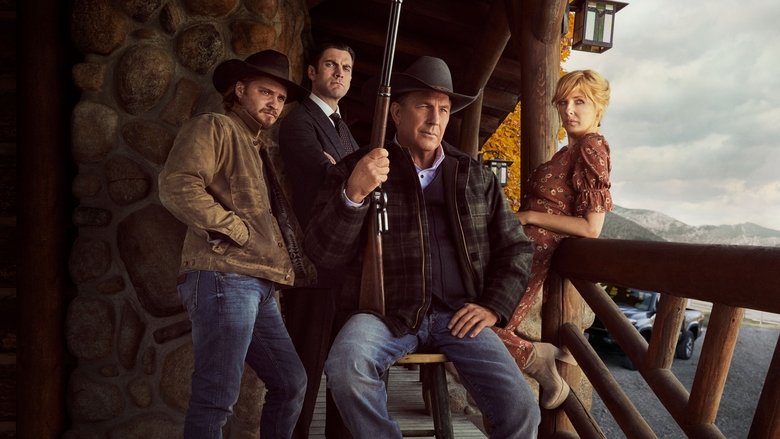
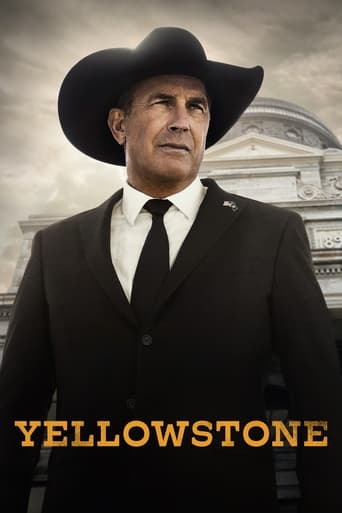
Yellowstone is Taylor Sheridan's five-season neo-Western on Paramount Network, now streaming on Peacock. Kevin Costner plays John Dutton, sixth-generation patriarch of the biggest cattle ranch in Montana, an operation everyone with money or a treaty claim wants a piece of. Around him: Kelly Reilly as his daughter Beth, a banker with a mouth like a switchblade; Cole Hauser as ranch foreman Rip; Luke Grimes and Wes Bentley as the two Dutton sons, one a cowboy, one a lawyer. Episode one puts a developer, a tribal chairman, and a real-estate lobby all pointing at the Dutton empire, and the family starts deciding who to shoot back at first.
In Its Favor
It looks like a two-hour movie every week. Sheridan and cinematographer Ben Richardson shoot Montana with a wide-lens patience most prestige TV won't spring for anymore — real light, real weather, real horses doing real work. Costner underplays John Dutton into an oak tree of a man, worn and immovable. Reilly is doing something you rarely see on network-adjacent TV: a genuinely dangerous woman with a specific and very ugly interior life. Her scenes with a cornered banker or a smug lobbyist land like punches. Hauser's Rip could've been a cardboard cowboy and instead reads like a person. And Sheridan writes cattle work, land law, and small-town politics with a specificity you can't fake.
The Argument Against
It's a soap in cowboy hats and never pretends otherwise. Plot logic bends around whatever big scene Sheridan wants that week. Beth occasionally stops speaking dialogue and starts delivering a monologue about herself. The tone can veer from grounded ranching drama to full pulp — kidnappings, contract killers, boardroom coups, gunfights staged like music videos — inside one episode. Season by season the pacing gets weirder, side characters vanish, and the back half wobbles hard around behind-the-scenes chaos the scripts try to write around instead of through. There are also long stretches where the Duttons are simply the villains of their own show and the writing seems unsure whether that's the point.
Who It's For, Who'll Bounce
If you liked Sons of Anarchy, Hell or High Water, or Godfather-in-hats family sagas, you'll settle in fast. It also plays for people who don't usually do prestige TV, because it moves. If you want your dramas quiet and Sundance-y, or you get itchy when a show parks its politics on the porch and asks you to sit with them for a beat, you'll quit by episode two. Fans of tight serialized plotting who need every thread paid off cleanly will be miserable by the final season.
The Sentence
Worth it, because for forty-plus hours it delivers something almost no one else on TV is bothering with: a real-scale Western with movie-grade craft and actors who fully commit. The politics get talked about a lot online, but on the page Sheridan mostly earns his themes through story — land, inheritance, family, what it costs to hold a thing — instead of parking scenes to lecture at you. Characters argue like people who disagree, not like op-eds in boots. The landing is the problem. The last stretch loses shape as production reality overtakes narrative, and a show that spent years building a mountain doesn't get to summit it cleanly. That's a real deduction, not a fatal one. Worth it for the ride, with the ending marked down accordingly.