
The Setup
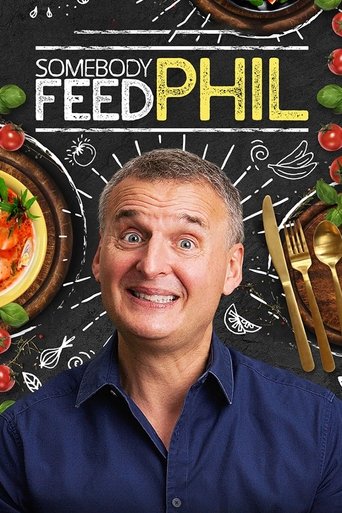
Phil Rosenthal, the guy who created "Everybody Loves Raymond," flies somewhere, eats things, hugs strangers, and calls his parents. That's the premise. Each episode plants him in a new city — Bangkok, Lisbon, Dublin, Mumbai, wherever — and he wanders around getting fed by locals, chefs, and friends of friends. There's no arc, no stakes, no contest, no ranked list at the end. He eats a dumpling, his eyes go wide, and he says "are you kidding me" for the ninety-seventh time. That's the show.
What It Gets Right
The casting is the whole trick, and it works. Rosenthal is not a chef, not a critic, and not pretending to be Bourdain. He's a sitcom writer with a big goofy face who genuinely cannot believe how good the noodles are, and that translates. The cinematography does real work too — the food is shot with a patience that makes a bowl of pho look like a Vermeer. The FaceTime bits with his parents Max and Helen, especially the earlier seasons, are the show's secret weapon: unscripted, warm, occasionally very funny. And the segment structure is tight. Twelve minutes of street food, a sit-down with a chef, a joke with a comedian friend, out. It respects your time in a way most streaming shows don't.
The Case Against
It's the same show every episode. Phil arrives, Phil is delighted, Phil hugs somebody, Phil eats something on a stick. If you need conflict or a point of view sharper than "food is nice and people are good," you'll be climbing the walls by episode three. The dad jokes are relentless and land maybe half the time. There's a real argument that the show softens every place into the same postcard — everyone is warm, everything is delicious, nothing complicated is ever really engaged with. And the later seasons lean harder on celebrity drop-ins, which some viewers find charming and others find like watching a guy work his contacts.
The Right Viewer
If you liked "Chef's Table" but wished it were less serious, or "Ugly Delicious" without the arguments, this is your bag. Fans of "Great British Bake Off" comfort viewing will click with it immediately. If you want the Bourdain thing — the melancholy, the politics, the willingness to sit with a place's dark parts — you'll find this saccharine and quit fast. Anyone who watches TV to feel worse about the world should skip it entirely.
The Ruling
BACKGROUND TV is exactly right because the show is engineered for ambient viewing. The episodes are episodic, the emotional register never spikes, and missing three minutes while you fold laundry costs you nothing. That's not a knock — it's a genre, and Rosenthal executes it cleanly. The craft is real: the shooting, editing, and pacing are all better than the format demands. But the writing has one gear and one mood, and the ambition tops out at "wasn't that nice." No lecture problem here — the show has a worldview (people are good, sharing food is the point) and it delivers it through Phil actually doing it, not through monologues. It earns its softness. It just doesn't earn a higher tier, because you're never leaning forward. You're leaning back, chopping onions, half-listening to a man in Tel Aviv lose his mind over hummus. Which is the whole point.