The Setup
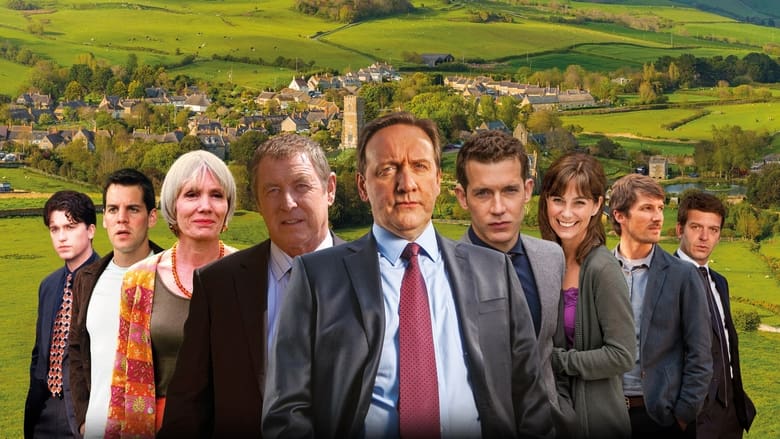
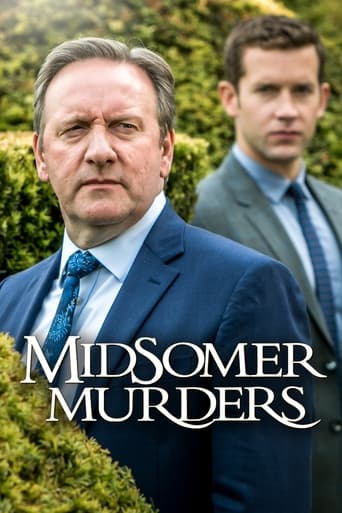
"Midsomer Murders" is the ITV procedural that started in 1997 and refuses to end, adapted from Caroline Graham's novels by Anthony Horowitz for its early run. Each feature-length episode plants a body (usually more) in a picture-postcard English village somewhere in the fictional county of Midsomer, and a Detective Chief Inspector Barnaby works out who did it before the vicar's wife catches on. John Nettles played Tom Barnaby for the first fourteen years; since 2011, Neil Dudgeon has held the desk as his younger cousin John Barnaby, working alongside a rotating cast of sergeants. The formula is fixed and unhurried: cold open in a village fete or a manor drawing room, arrival of the police Volvo, tea, motive, arrest.
The Case For
The show knows exactly what it is and executes it with a competence most prestige dramas can't manage. Dudgeon's Barnaby is a lovely piece of understated work, dry without smirking, patient with witnesses who deserve less patience. Nettles built the template and Dudgeon has quietly made it his own over more than a decade. The scripts are constructed like clockwork: red herrings that pay off, motives grounded in something recognisably human (inheritance, jealousy, thirty-year-old grudge over a bell tower). The location work is the other star — genuine Cotswolds and Chilterns villages shot in flattering light, thatched roofs and dry-stone walls that make you want to move somewhere you'd statistically be dead within a week. Composer Jim Parker's theremin-laced theme is one of British telly's great earworms.
Where It Falls Down
It's slow. Deliberately, structurally slow. Ninety-minute runtimes mean long stretches of Barnaby interviewing a beekeeper about parish council minutes. The formula never breaks; if you don't like it in episode one, twenty-four series won't fix it. Early seasons carry a whiteness that reads as odd today and got the show into public trouble a decade back. Sergeants come and go with little ceremony. Anthony Horowitz's sharpest scripts are years behind it, and the newer runs sometimes coast on charm alone.
Who This Is Actually For
If you love "Death in Paradise," "Vera," "Father Brown," or reruns of "Poirot" running at 3pm on a bank holiday, you're already home. Anyone whose bar is set by "True Detective" or "Mare of Easttown" will be climbing the walls before the first commercial break. It's ironing telly, hangover telly, jet-lag telly. Watching it sober and full-attention actually flatters it more than you'd expect, because the plotting rewards it.
Final Word
WORTH IT is the honest sentence. Not BINGE — the pacing won't let it be, and one episode a week is genuinely the correct dose. Not BACKGROUND, because when it's cooking, the puzzle actually pulls your eyes up from your phone. Dudgeon's performance, the location cinematography, and the sheer craft in stringing together a fair-play whodunit at feature length are enough to earn the recommendation. No lecturing, no self-importance, no bloated mythology; it's a show about murders in villages, delivered by professionals who have been doing this for nearly thirty years and mostly still care. The county has a fatality rate that would trigger a UN inquiry. That's the joke, and the show is in on it.
Sources: