Where This Starts
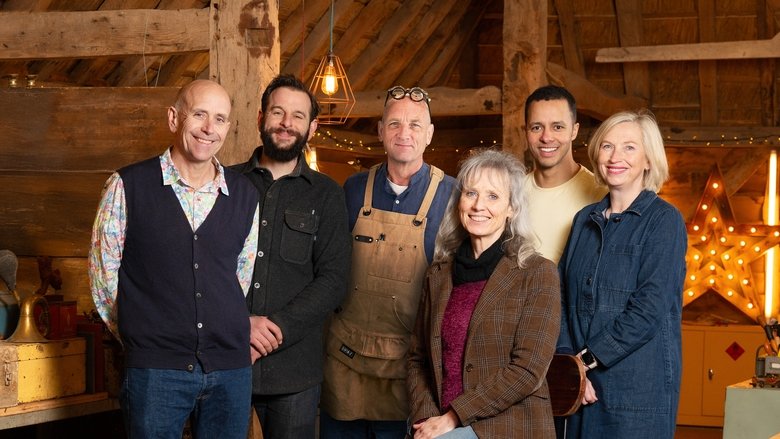
It's a British restoration show shot in a 17th-century timbered barn at the Weald and Downland Living Museum in West Sussex. People bring in broken heirlooms — a grandfather's wristwatch, a mother's rocking horse, a teddy bear that survived a war — and a rotating bench of specialists fix them. Jay Blades ran the floor as foreman for the run that made the show famous, working alongside clockmaker Steve Fletcher, furniture restorer Will Kirk, silversmith Brenton West, leatherworker Suzie Fletcher, upholsterer Sonnaz Nooranvary, and the teddy bear duo Julie Tatchell and Amanda Middleditch. Every episode: three or four objects come in, three or four objects go out, owners cry.
What Works
The craft is real. You're watching people who've done one thing for thirty years actually do it — Steve Fletcher stripping a fusee movement down to the pivots, Suzie Fletcher rebuilding a saddle from the tree up, Kirk French-polishing a veneer he had to cut himself. The camera respects the work. Long, quiet takes of hands doing hands-things, no shaky reaction cuts every four seconds. The direction trusts silence, which is rarer on television than it should be. And the format has a spine: object arrives broken, object leaves fixed. No manufactured drama about whether Steve will finish the clock. He will finish the clock. He's Steve.
What It Gets Wrong
It is the same show every week. The beats don't vary — arrival, backstory, the specialist murmurs "ooh, that's a tricky one," reveal, tears. If you dislike sentiment on television, this will feel manipulative fast, because the sentiment is the point and the swelling strings show up on schedule. The "history" segments are shallow. Nobody's arguing about restoration ethics or whether a piece should be conserved instead of refinished; the answer is always fix it and film the owner crying. There's also a sameness of tone across specialists that flattens the personalities into a single warm hum.
Who'll Love It, Who'll Bail
If you liked the calmer stretches of Bake Off before it got frantic, or you watch Antiques Roadshow for the objects rather than the valuations, you're the target. Fans of slow craft content on YouTube — the watch-restoration channels, the woodworking guys — will find it thinner but still soothing. People who need plot in their television will quit twenty minutes in. Anyone allergic to the specific British register of gentle emotional processing (soft voice, hand on shoulder, "your grandad would be so proud") should not start.
The Verdict
WORTH IT because the craft carries it. The writing is barely writing — it's producing, mostly, deciding which object goes with which specialist and how long to hold on the reveal — but the direction, the pacing, and the choice to let skilled people work in near-silence are all small acts of competence that stack up. It doesn't preach. There's no thesis being smuggled in about heritage or waste; the show just puts a broken thing in front of a person who can fix it and rolls tape. That's a low ceiling, honestly. Nobody's giving this a prestige-drama treatment. But within its ceiling it executes cleanly, and a clean execution of a modest idea beats an ambitious idea done badly. Background TV with a heart rate. Fine to have on.