Where This Starts
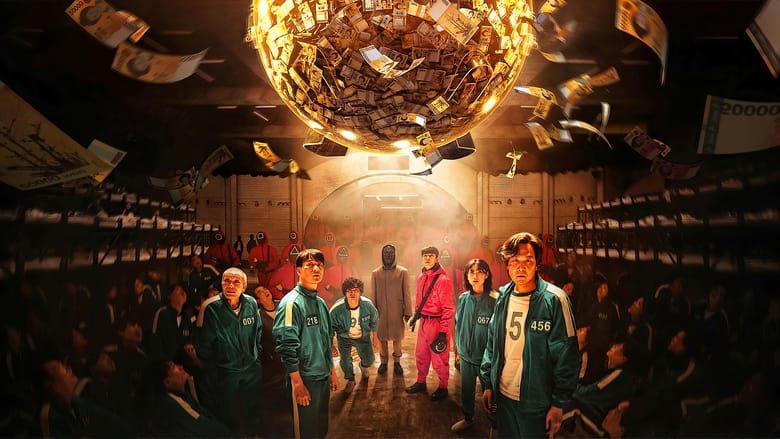
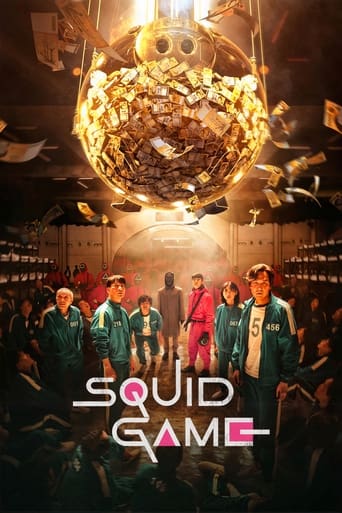
Hwang Dong-hyuk's Korean thriller drops 456 people drowning in debt into a secret compound where they play children's games for a life-changing cash prize. The catch is baked into the first episode, so this isn't a spoiler: losing hurts a lot more than losing usually does. Lee Jung-jae plays Seong Gi-hun, a broke gambler and absent father who signs up because the alternative is worse. Park Hae-soo, Wi Ha-joon, HoYeon Jung, and Oh Young-soo fill out the early roster. Season 1 establishes the rules, the pink-jumpsuited guards, and the masked VIPs watching from above. Seasons 2 and 3, released in late 2024 and mid-2025, follow Gi-hun back into the compound for another round.
What It Gets Right
Season 1 is one of the tightest nine-episode runs Netflix has ever put out. Hwang wrote and directed every episode himself, and it shows — the tonal control is remarkable for something this pulpy. The production design does a huge amount of the work: those Escher staircases, the tracksuits, the giant animatronic doll. It's iconography you recognize before you've seen the show. Lee Jung-jae is doing real acting inside a genre premise, and Oh Young-soo's Player 001 gives the whole thing a warmth it has no business having. The children's-games structure is a brilliant engine because every round comes with its own rules, its own suspense math, and its own visual identity. When it's working, you can feel the writer's room actually having ideas.
The Argument Against
Seasons 2 and 3 were shot together and it feels like it. Hwang has admitted the story was really one season split in half for release, and the pacing suffers accordingly — Season 2 spends a lot of runtime setting up dominoes that don't fall until the next batch. The satire of capitalism, sharp and specific in Season 1, gets louder and less interesting as the show scales up. New players don't land the way the original ensemble did. The English-speaking VIPs remain the worst-acted thing on Netflix. And the show develops a habit of pausing so a character can explain the theme out loud, when Season 1 trusted you to see it.
Who This Is Actually For
If you liked Battle Royale, Alice in Borderland, or the class-warfare streak in Parasite and Snowpiercer, Season 1 is essential. If you need your prestige TV bloodless and quiet, this will be too much before the first game ends. Fans of contained, rules-based thrillers will devour the early episodes. Anyone who checked out of Stranger Things when it got bloated will feel the same drift in the later seasons.
The Bottom Line
WORTH IT is a Season 1 verdict wearing a series-wide jersey. Those nine episodes are a genuine piece of craft — a writer-director with total command, a lead performance carrying real weight, a premise executed with discipline. The sequel run is where the pressure of being The Most Watched Show On Earth starts to warp the writing. Themes get restated instead of dramatized, the ensemble thins out, and the plotting stalls because there's simply too much episode for the story. It's not preachy so much as tired; Hwang isn't lecturing, he's repeating himself louder. Watch the first season, dip a toe into the second if you're curious, and don't feel obligated to finish. The good version of this show already exists, and it's the one everybody was talking about in 2021.