Where This Starts
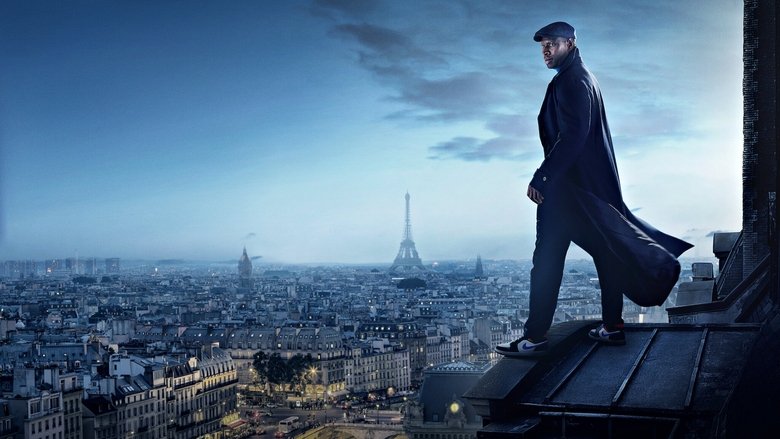
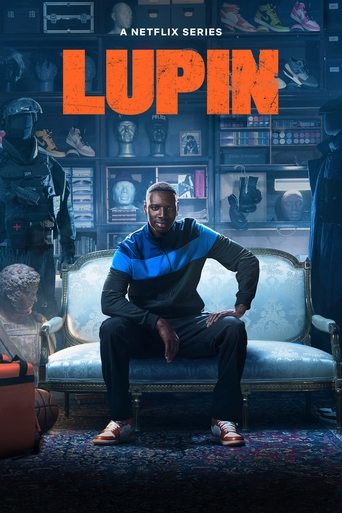
Omar Sy is back as Assane Diop, the gentleman thief who modeled his whole life on the Arsène Lupin stories his father left him. Part 4 picks up after a three-year gap, with Louis Leterrier still shaping the show and Sy now installed as a co-showrunner. Eight episodes, shot all over Paris, mostly a cat-and-mouse against an adversary built to force Assane into fighting a version of himself. The early hours do what the show has always done: a disguise, a heist beat, a flashback to young Assane and a worn paperback, a chase on a rooftop or down into the Métro. Ludivine Sagnier, Soufiane Guerrab and the extended family of recurring cops and crooks are around again.
The Case For
Sy is still the whole engine. He plays smug and wounded in the same scene without losing either, and the camera knows what it has. Leterrier directs the opening set-piece like he's trying to remind people he made the first two Transporters. The production design is the quiet star: a Louvre sequence, a train job, a casino bit, all shot with real Paris light instead of streaming-gray. Critics landed on the side of liking it — Collider called out the return of Part 1's energy, and the show hit number one on Netflix globally the day after it dropped. When an episode locks into pure caper mode, Lupin remembers how to be fun.
What Doesn't Work
The three-year wait is doing damage the show can't shake off. The season hands Assane a Deep Theme about identity and legacy and keeps circling it long after you've gotten the point, and some of the social commentary gets delivered in dialogue instead of in behavior. Episodes that should run 45 minutes run 55. The twist mechanic — Assane was ten steps ahead, here's the flashback explaining how — worked as a surprise in season one and now reads as the house style. Audience scores have slid even as the critic scores held. If you remember being delighted in 2021, you may remember it harder than Part 4 earns.
The Right Viewer
If you watched Hustle, Leverage, the Soderbergh Ocean's movies, or the Mission: Impossible run after Ghost Protocol and had a good time, you're the audience. If you need forward motion in every scene, or you bounced off Part 3 for feeling thinner than Part 1, nothing here is going to pull you back. People who watch French TV subbed for the texture of Paris will get what they came for. People hoping for the shock of 2021 will spend the season comparing.
The Bottom Line
Lupin is still handsome, still well-cast, still competent, and no longer surprising. The craft is real — Sy, Leterrier, the location work — but the writing has settled into a shape the audience learned four years ago, and the thematic stuff about Assane's double life is told more than dramatized. It passes the Lecture Test by a hair, mostly because Sy carries the ideas on his face instead of letting the script monologue them, but the scripts are trying. Good enough to put on while you cook, fold laundry, or answer email. Not good enough to make you stop. BACKGROUND TV is the honest call.