What It Is
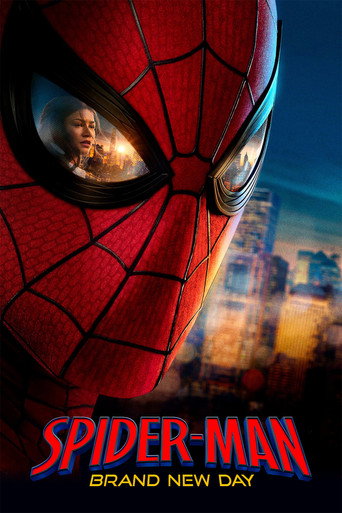
Destin Daniel Cretton (Shang-Chi) directs Tom Holland back into the suit, picking up the thread from No Way Home's memory-wipe ending. Peter Parker is on his own now: nobody remembers him, MJ (Zendaya) and Ned (Jacob Batalon) have moved on with their lives, and Peter's whole identity has collapsed into the mask. He's older, broker, lonelier, and swinging around a New York that treats him like a stranger. Chris McKenna and Erik Sommers wrote it, the same team behind the last three Holland Spideys. Jon Bernthal's Punisher wanders in from the Daredevil corner of the MCU. Michael Mando finally graduates from his post-credits tease to full Scorpion. Sadie Sink, Tramell Tillman, and Mark Ruffalo round out the ensemble.
The Argument For
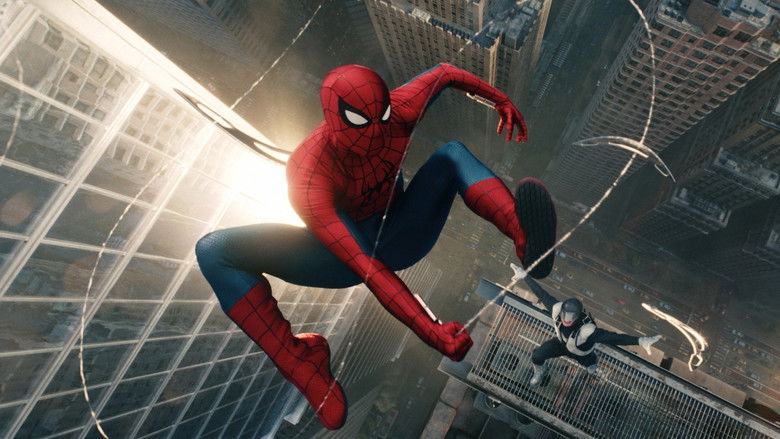
Cretton actually shoots New York like a place people live in, not a green-screen playground for the next multiverse. The scale drops on purpose. It's a street-level Spider-Man movie for the first time since Raimi, and the smaller sandbox lets Holland do the thing he's always been good at and rarely gets to do: play a kid getting his ass kicked by rent, loneliness, and grief. Bernthal is the reason to buy the ticket. His Punisher and Holland's Peter share a moral argument the movie is smart enough to actually stage as scenes instead of speeches. Mando's Scorpion has weight because Mando plays him like a guy with a job, not a comic-book henchman. Tillman shows up and calmly eats a whole subplot. The action beats are legible. You can tell where Peter is in a room.
The Case Against
It's still a Marvel movie in 2026, which means the third act tips toward CGI mush and a couple of setup-for-later beats you can smell coming. The script leans on Peter's isolation so hard in the first hour that if you were hoping for the wisecracking high-school Spidey, you'll be checking your watch. Ruffalo's role is more cameo than character. And the movie's biggest emotional swing depends on you having watched roughly four other things, which is exhausting even when it works.
The Right Viewer
If The Batman's grimier register worked for you, or if Raimi's Spider-Man 2 is still your favorite of these, this is aimed straight at you. Fans of Bernthal's Netflix Punisher get real Bernthal, not a de-fanged cameo version. People who show up for Marvel wanting quips-per-minute and a Great Big Team-Up will bounce by the forty-minute mark. Anyone allergic to homework will resent how much the movie assumes you remember from No Way Home.
The Bottom Line
WORTH IT, not GREAT, because the execution catches up to the ambition without quite passing it. Cretton makes coherent choices: tighter frame, smaller stakes, real actors doing real scenes. Holland finally has something to play besides "quippy kid in over his head," and he's up to it. Bernthal is doing the most and it's the right amount. The movie's themes about loneliness, chosen family, and vigilante ethics are carried by two guys arguing on a rooftop, not by a monologue at the camera. Nobody's giving a TED talk. When Peter and Frank disagree about what a hero owes the city, the disagreement lives in behavior and body language, which is what earning a theme looks like. It stumbles in the places superhero movies always stumble now, third act, franchise-plumbing, one villain too many, but the ninety minutes before that are the best Holland Spider-Man since Homecoming. Go.
Sources: