The Premise
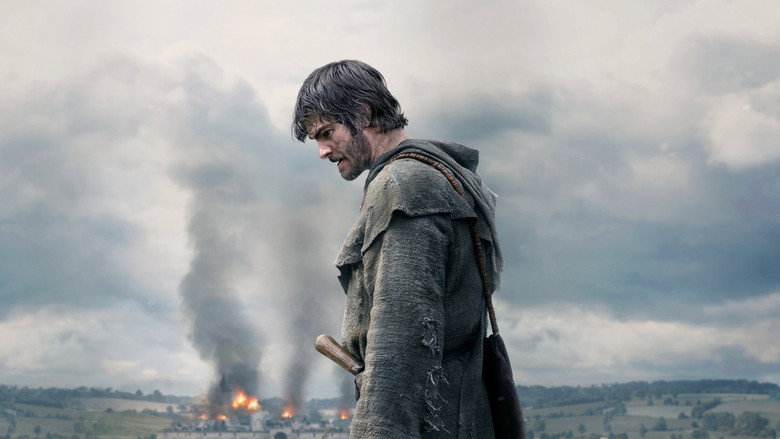
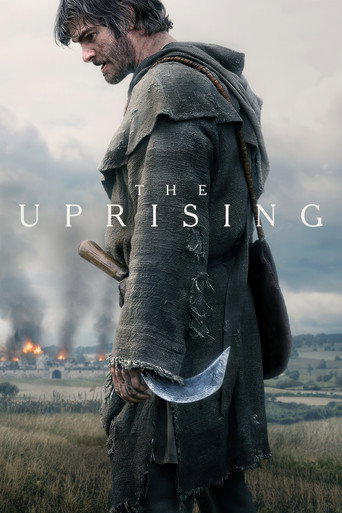
Paul Greengrass takes on the 1381 English Peasants' Revolt, with Andrew Garfield as the preacher-turned-rebel leading commoners against King Richard II's poll tax. Jamie Bell, Thomasin McKenzie, Cosmo Jarvis, Katherine Waterston, Tom Hollander, Stephen Dillane, and Jonny Lee Miller fill out the ranks on both sides. Focus Features put it in theaters in September. It's shot like a Bourne movie wearing chainmail: handheld, grainy, close to the face, grim weather, grimmer mud. The first act walks you through the tax collection, the sermon-circuit radicalization, and the march toward London.
In Its Favor
Garfield is doing the actual work here. Even critics who hated the movie singled him out for playing modest instead of thunderous, keeping the character human while the script keeps handing him banners to wave. Jamie Bell is a real asset in the ensemble. Stephen Dillane and Tom Hollander know exactly how to play scheming aristocrats on short notice. And Greengrass can still stage a crowd. When the mob hits London the density of bodies and noise reminds you why "Bloody Sunday" and "United 93" worked. The costume and location work is unglamorous in a good way; nothing looks like a Renaissance Faire.
Where It Falls Down
Greengrass wrote this one himself, and it shows on every page. The dialogue reads like a Wikipedia summary read aloud by angry people. Characters announce their politics instead of revealing them. The shaky-cam that gave his modern thrillers their panic becomes a nuisance in medieval combat — you can't tell who's swinging what at whom. The middle stretch slogs. Supporting characters barely exist as people. Thomasin McKenzie is wasted. Woody Norman is wasted. Hollander can only do so much when his lines read like op-ed paragraphs.
Who Should Watch
If you'd watch any Greengrass movie just to see him point a camera at a mob, go. If you loved "The Last Duel" or Ridley Scott's 2010 "Robin Hood," the mud-and-fury register will land. Everyone else, including anyone looking for the propulsion of "United 93" or the moral texture of "Captain Phillips," will fidget by minute forty. Teachers assigning it in a modern-politics-via-history unit will love it. People who want a movie first and a thesis second will not.
The Verdict
SLOP because the craft never catches up to the ambition. Greengrass has a real subject and a real cast, then hands himself a job he hasn't earned: the solo screenplay. The result is a sermon on wealth inequality delivered with Garfield's chin trembling and a documentary camera stapled to it, as if style alone could substitute for scenes. The themes aren't the problem; the delivery is. Every big idea arrives pre-chewed, said out loud by a character who's really saying it to the audience. Drama should surface a point through what people do. This one keeps pausing so people can recite it. Pacing stalls, dialogue thuds, and the direction mistakes volume for conviction. Garfield's doing push-ups to drag it uphill. Even he can't.