In this piece · 9 sections+
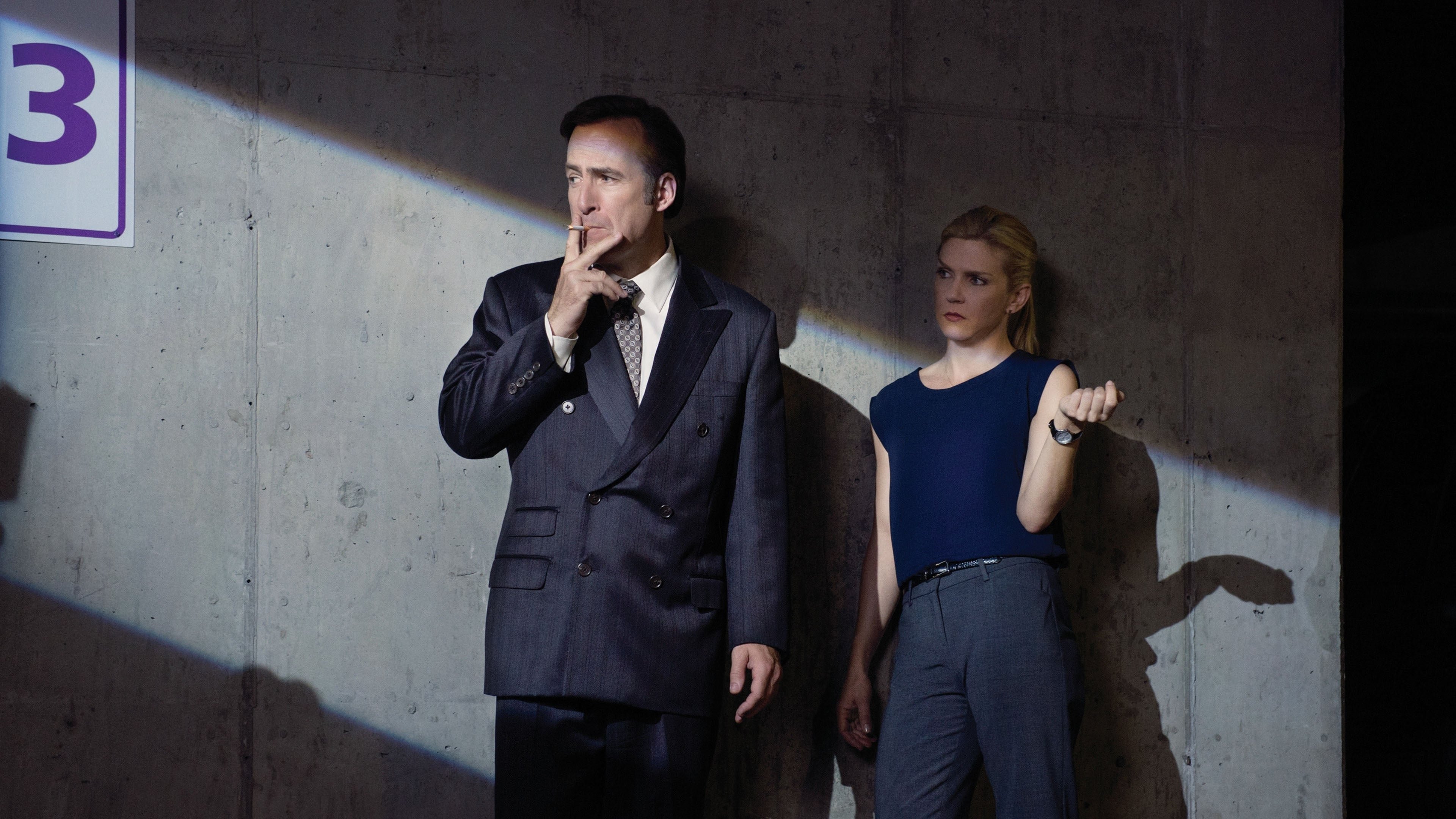
Yes. Better Call Saul is worth watching. It's a slower, sadder, arguably better-written show than the one it spun off from, and by the end you'll wonder why anyone doubted it.
The case in one paragraph: Vince Gilligan and Peter Gould took the goofy strip-mall lawyer from Breaking Bad and built 63 episodes of quiet tragedy around him. It's not the drug show. It's a courtroom-and-elder-law show that turns into a cartel show that turns into a black-and-white epilogue that ruins you. If you liked Breaking Bad and you have patience, this is one of the best things AMC ever put on the air.
The quick verdict
Yes, watch it. It's for people who liked Breaking Bad and are willing to trade meth-lab explosions for a 12-minute scene of two brothers arguing about a photocopier. If you need constant action, you'll bounce. If you like character work, careful writing, and long fuses that burn for entire seasons before something detonates, this is the show. It's over, it's complete, it stuck the landing, and you don't have to worry about a streamer canceling it mid-arc.
✅ WORTH IT
What Better Call Saul is actually about
Six years before Saul Goodman meets Walter White, he's a guy named Jimmy McGill. He's a former small-time con artist trying to go straight as a lawyer in Albuquerque, mostly failing, working elder-law cases out of the back of a nail salon. His older brother Chuck is a legendary attorney at a big firm and also a man who wears a space blanket in a dark house because he believes electricity is making him sick. That relationship is the engine. Around it, the show slowly folds in Mike Ehrmantraut, the world-weary ex-cop played by Jonathan Banks, and eventually the entire cartel world you remember from Breaking Bad.
The tone is patient. Nothing is rushed. A whole episode will hinge on whether a document gets photocopied correctly. Then, three episodes later, someone gets shot in the desert and the show earns it because you've spent hours understanding exactly why that bullet had to fly. It's a legal drama, a crime saga, a family tragedy, and a very lonely love story about two lawyers who probably shouldn't be together. It moves slow on purpose. That's the whole trick.
The math on time
Six seasons. 63 episodes. Roughly 47 minutes each. That's about 49 hours of your life. Call it a month if you watch three or four a week. A long weekend and change if you're the type who wakes up on Sunday having accidentally finished a season.
Is that a lot? Yes. Is it worth it? Also yes. Compared to the average bloated streaming show that pads eight episodes of story into ten, Saul earns every minute. There's almost no filler. Even the episodes where nothing appears to happen are laying pipe for a payoff two years down the road. You're paying 49 hours to watch craftsmen do their jobs at the highest level. That's a good trade.
What it gets right
The writing. It's the writing. Every scene has a point, a shape, and an escalation, and it hides all of that behind dialogue that sounds like people actually talk. There's a scene in season 3 that is just two men in a room reading a document out loud and it is the tensest thing that aired on television that year. The writers' room, run by Peter Gould with Vince Gilligan looming over it, treated the audience like adults who could sit still. That's rarer than it should be.
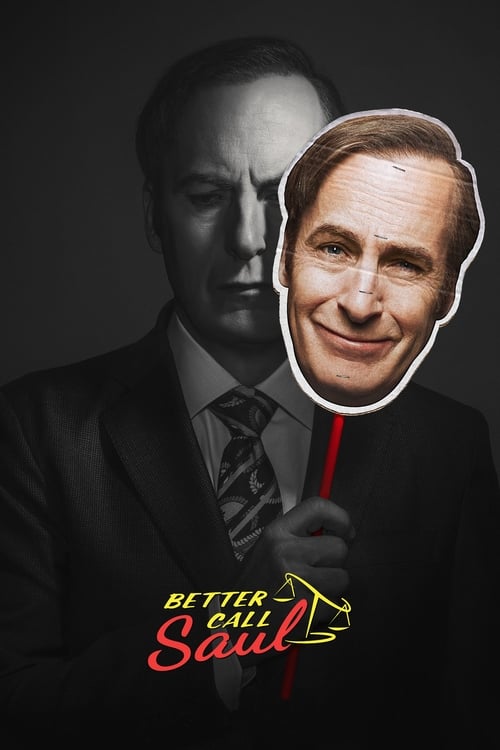
Bob Odenkirk should have won an Emmy. He didn't, because the Emmys are a scam run by a small group of people who apparently only watch two shows. What he does across six seasons is one of the great performances of the era. He plays a man playing a man playing a man, and every layer is visible without ever announcing itself. Rhea Seehorn as Kim Wexler is his equal. Her ponytail alone should have gotten a nomination. Then there's Jonathan Banks doing more with a jaw twitch than most actors do with a monologue, and Michael McKean as Chuck delivering what might be the best supporting performance in prestige-TV history. Nobody is coasting. Everybody is locked in.
The craft on the back end matters too. The cinematography is stunning without being showy — long lenses, deep focus, weird overhead shots that make Albuquerque look like a planet. The sound design is patient enough to let a coffee maker be scary. Season 6 does an extended run in black and white that would be a gimmick in anyone else's hands and here plays like the only possible way to shoot it. Nothing about the production is lazy.
What doesn't work
Season 1 is slow. That's the honest part. The first four or five episodes are the show finding its identity, and if you come in expecting Breaking Bad energy, you'll wonder why you're watching a legal procedural about eldercare fraud. Push through. By the finale of season 1 it's clear the writers know exactly what they're doing. But the on-ramp is real, and I've seen more than one person bounce in the first two hours.
The cartel side of the show sometimes feels like it's operating in a different series from the Jimmy-and-Kim side. For a stretch of the middle seasons, you're basically watching two parallel shows that only occasionally touch. The Mike and Nacho storylines are great on their own, but when the show is at its best, it's Jimmy and Kim in a room. Every cut away from them to a warehouse full of stoic men in Mexico is a small tax you pay.
And the ending. The final stretch is divisive. Some people, myself included, think the last two episodes are a quiet masterpiece and the truest ending the character could get. Others think it drags, that it withholds the catharsis you were promised, and that the show got so committed to being sad that it forgot to be satisfying. If you need a big Breaking Bad-style finale with the walls closing in and everything exploding, adjust your expectations. This one goes out on a whisper.
Who should watch it
If you liked Breaking Bad, obviously yes. If you liked the quieter parts of Breaking Bad more than the shootouts, it's an even easier yes — this is that show for six seasons. If you liked Mad Men, The Americans, or any show where two people in a room can be more suspenseful than a car chase, you're the target audience. If you loved the movie Michael Clayton, you'll love this.
If you bounced off Breaking Bad because it was too slow, skip this. It's slower. If you need a joke every ninety seconds, skip. If you're looking for something you can half-watch while scrolling TikTok, you'll miss half of every scene and think the show is boring, when really you just weren't paying attention. This one demands the phone go face-down.
Where to watch
All six seasons stream on Netflix in the US. It's also available to buy by season or episode on Amazon Prime Video and Apple TV if you'd rather own it. AMC+ has it too if you already subscribe there. Netflix is the cleanest option for most people. Don't overthink it.
FAQ
Is Better Call Saul overrated?
No. If anything it was underrated during its run because it lived in Breaking Bad's shadow for years, and the Emmys treated it like a nice little companion piece instead of the main event. In the time since it ended, the consensus has shifted toward calling it as good as or better than the parent show. That's not a hype cycle. That's people finally catching up.
Does it get better after season 1?
Yes, significantly. Season 1 is the show learning what it is. Season 2 sharpens the tone. Season 3 introduces the antagonist that pushes everything into high gear. Seasons 4 and 5 are peak television. Season 6 is the payoff. If you're on the fence at episode 3, give it until the season 1 finale. If you're not on board by then, this isn't for you and that's fine.
Is it too dark or too slow?
It's slow on purpose and dark by design. If you know that going in, it lands. The darkness isn't the gratuitous violence kind — there are long stretches with no violence at all. It's more the slow moral rot of watching a decent-ish man become a bad one because a hundred small choices went the wrong way. That's heavier than a body count. If your idea of a good time is a laugh-track sitcom, watch that instead. Nothing wrong with that.
Do I need to watch Breaking Bad first?
You can watch either one first and it works. Watching Breaking Bad first gives certain moments in Saul more weight because you know where these characters end up. Watching Saul first makes Breaking Bad hit like a freight train because you already care about Saul and Mike before Walter ever shows up. My honest recommendation: Breaking Bad first, then Saul, then the movie El Camino if you want to close the loop. That's the order the story was told and it holds up.
Watch the pilot tonight. Give it until the end of episode 3 to decide if the tone is for you. If you're in by then, block off the next month, because you're going to want to keep going.
Related guides
- Where to Watch Succession (2026)
- Is The Walking Dead Worth Watching? An Honest Take
- The Best Shows on HBO Max Right Now: A Ranked Guide for July 2026
- UFO Movies, Shows, and Documentaries: Close to the Truth, Cinema, and Out There
- The Best Rainy Day Shows to Watch When You're Sick, Sad, or Just Hiding From Your Life
Some links above are affiliate links (we're an Amazon Associate) — if you buy through them we may earn a commission. It never changes a verdict.