In this piece · 9 sections+
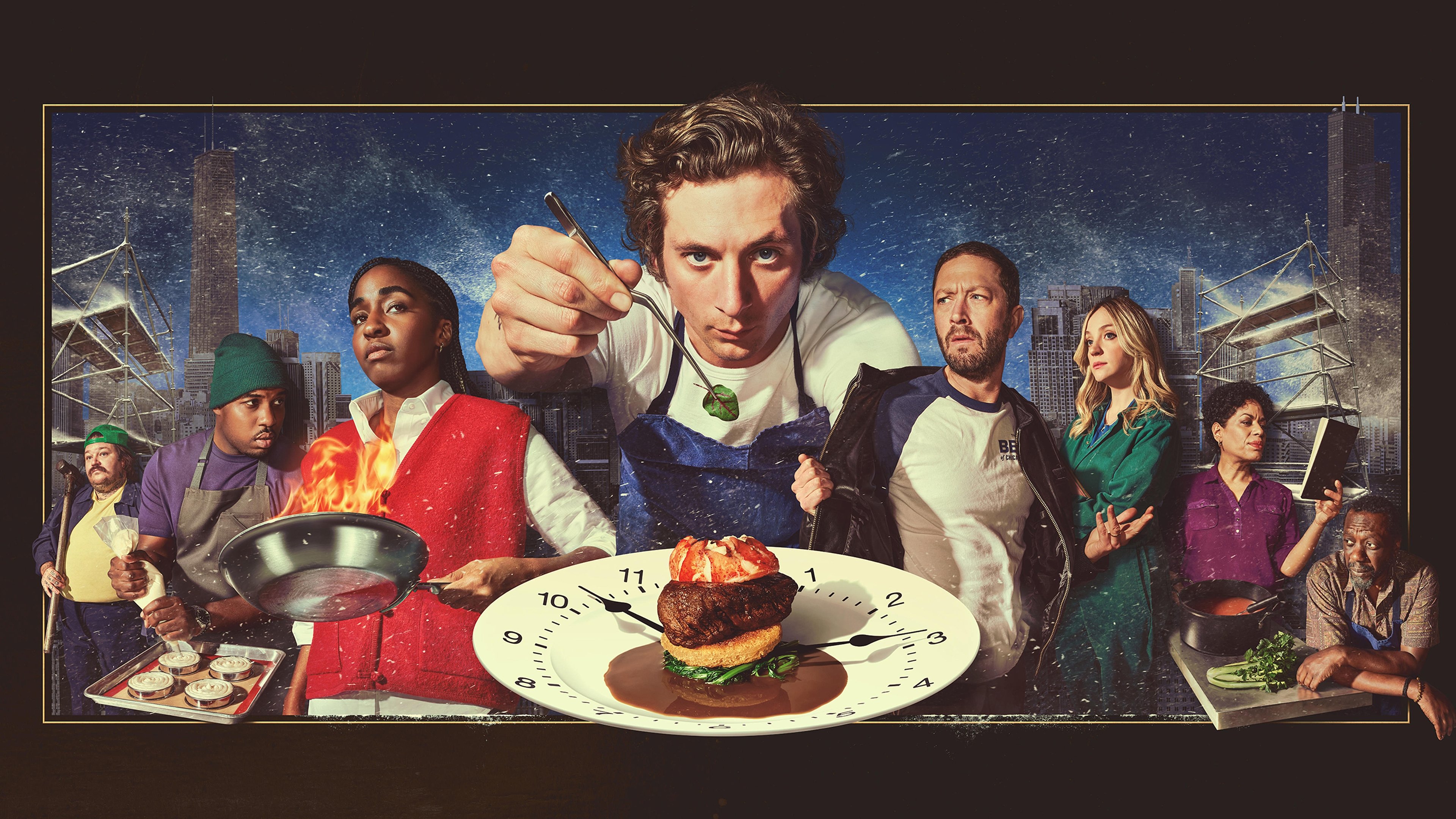
Short answer: yes. Seasons 1 and 2 are some of the best television of the last decade, and the drop-off in seasons 3 and 4 doesn't erase that. You should watch The Bear. You should also know, going in, that it will stress you out, that it gets less plotty and more vibes-y as it goes, and that a lot of people who loved it early have cooled on it. None of that changes the fact that the first twenty episodes are essential.
The quick verdict
Yes, watch it. The Bear is for people who like tight character drama, restaurant-world specificity, and performances that make you forget you're watching a show. It's not for people who need a propulsive plot every episode or who already find prestige TV exhausting. If you can handle a half-hour that feels like a panic attack, you're the audience.
What The Bear is actually about
Carmy Berzatto is a decorated fine-dining chef who leaves the best kitchen in the world to come home to Chicago and run his dead brother's sandwich shop. The shop is a disaster. The staff is a disaster. Carmy is also a disaster. Over four seasons the show tracks his attempt to turn the place into something better: a real restaurant, a functional family, a life that doesn't end the way his brother's did.
Tonally it's a drama that's been filed under comedy for Emmy reasons. It is not funny in the laugh-out-loud sense. It's funny in the way a kitchen is funny. Dark, profane, tossed-off, usually at someone's expense. The show is loud, it's specific about food and labor and grief, and it moves between frantic real-time cooking episodes and quieter character pieces that slow the whole thing down. When it's working, it's the best thing on TV. When it isn't, it's a guy staring at a walk-in for forty minutes.
The math on time
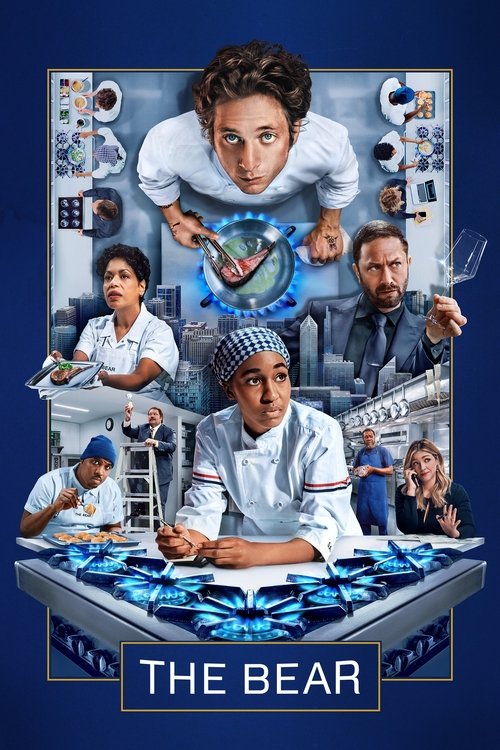
Four seasons, 38 episodes. Season 1 is eight half-hours, so roughly four hours, one lazy Saturday. Season 2 is ten, slightly longer runtimes, maybe six hours. Seasons 3 and 4 are ten each and tend to run longer. All in, you're looking at something like 22-24 hours of television.
That's not a huge commitment by prestige standards. A full Bear run is shorter than one season of a Netflix show where nothing happens for nine hours. The episodes are short enough that you can tell yourself you're watching one and then watch three. The real cost isn't time. It's the emotional static the show leaves in your apartment after you turn it off. You have been warned.
What it gets right
The performances. Jeremy Allen White does a specific thing with Carmy where he communicates about four conflicting feelings per scene without appearing to do anything. Ayo Edebiri as Sydney is the emotional engine of the show. Watch her in the first kitchen scenes and then watch her run a pass two seasons later. Ebon Moss-Bachrach as Richie has the single best character arc on television in the last ten years, full stop. The Richie episode in season 2, "Forks," is the kind of half-hour that gets put on a syllabus.
The sound design and editing. The Bear sounds like a kitchen. Tickets printing, pans slamming, six people yelling "corner" and "behind" on top of each other. Most shows use sound as wallpaper. This one uses it as a knife. The editing in the real-time cooking episodes ("Review" in season 1, the back half of season 2) is tighter than almost anything on TV, and the show earned every award it got for it.
And the specificity. The Bear knows what a walk-in looks like at 2 a.m. It knows what it feels like to plate for a guy who thinks he's Thomas Keller. It knows Chicago, the actual Chicago, the Italian beef and the hot dog stand and the neighborhood guys who've been coming in for thirty years. Most prestige shows are set in a sort of airport-lounge America. The Bear is set somewhere real, and you feel it in every frame.
What doesn't work
Season 3 is where a lot of viewers checked out, and the complaints are legitimate. The season pumps the brakes hard — long silent montages, repeated flashbacks to stuff you've already seen, a finale that ends on a cliffhanger that isn't really a cliffhanger. If season 2 was the show opening up, season 3 is the show staring at itself in a mirror for ten hours. Some of it is beautiful. A lot of it is indulgent.
Season 4 course-corrects somewhat but the damage is done. The show stopped being a restaurant show and became a mood piece about a depressed chef. If you signed up for the kinetic kitchen drama of the early seasons, the later ones will feel like a bait-and-switch. Also, the show has a real problem with subplots it won't commit to. Carmy's love interest in season 2, played by Molly Gordon, is great, and then the show basically abandons her. Donna Berzatto, the mother, shows up in heavy-hitter scenes and then vanishes for a season. There's a pattern here and it's not flattering.
The other honest note: The Bear is stressful. Not in a fun way. In a "I should take a walk" way. It's not torture porn. It's just that anxiety is the main flavor, and some nights you do not want a bowl of that.
Who should watch it
If you liked Friday Night Lights, Rescue Me, or the first two seasons of Atlanta, yes, absolutely. If you like movies by the Safdies or Paul Thomas Anderson, the shaggier later seasons will land for you specifically. If you're a restaurant person, a chef, or anyone who has worked in a kitchen, this show was made for you and you already know.
If you bounced off Succession because you didn't want to spend time with miserable people yelling, The Bear is not going to fix that. If you need laughs, skip it — the comedy classification is a tax loophole, not a description. If you want a show to put on while you fold laundry, also skip it. The Bear demands your attention, and if it doesn't have it, it'll make you feel stupid for missing something.
Where to watch
The Bear streams exclusively on Hulu in the U.S. All four seasons are there. If you're a Disney+ bundle subscriber, you already have access. Individual seasons are also available to buy on Amazon, Apple TV, and the usual suspects if you want to own it, but there's no reason to. If you're watching it at all, you're watching it on Hulu.
✅ WORTH IT
FAQ
Is The Bear overrated?
Seasons 1 and 2 are correctly rated. They deserved the awards and the praise. Seasons 3 and 4 are overrated by critics who are invested in the show being great and underrated by viewers who feel betrayed by the slowdown. The truth is in the middle: the show peaked early and is now running on the fumes of its own reputation, which is not the same as being bad.
Does it get better after season 1?
Yes. Season 2 is the peak. Episode 6 of season 2, "Fishes," and episode 7, "Forks," are two of the best episodes of television in the last ten years. If you watched season 1 and liked it, season 2 will blow your head off. It's what gets diminishing returns after that, not before.
Is it too stressful to watch?
For some people, legitimately yes. The first season in particular is shot and cut to make you feel like you're having a bad shift. If you have anxiety issues or just don't like feeling wound up, watch one episode before you commit. You'll know in twenty minutes whether the show's frequency is one you can live with.
Do I need to watch all four seasons?
No. An honest take: watch seasons 1 and 2, and treat seasons 3 and 4 as optional. The first two seasons tell a complete-ish story and end on a real note. If you loved them and want more time with these characters, the later seasons are there. If you felt like you got what you came for, you're allowed to stop.
What to do tonight: Start with season 1, episode 1. Give it through episode 3 — "Brigade" is where the show announces itself. If you're not hooked by the end of that one, you never will be, and that's fine. If you are, clear the weekend.
Related guides
- Shows Like The Bear: 10 Shows to Watch When the Yes Chef of It All Wears Off
- Where to Watch The Bear (2026)
- Is Severance Worth Watching? An Honest Take
- The Best Shows on HBO Max Right Now: A Ranked Guide for April 2026
- The Best Rainy Day Shows to Watch When You're Sick, Sad, or Just Hiding From Your Life
Some links above are affiliate links (we're an Amazon Associate) — if you buy through them we may earn a commission. It never changes a verdict.