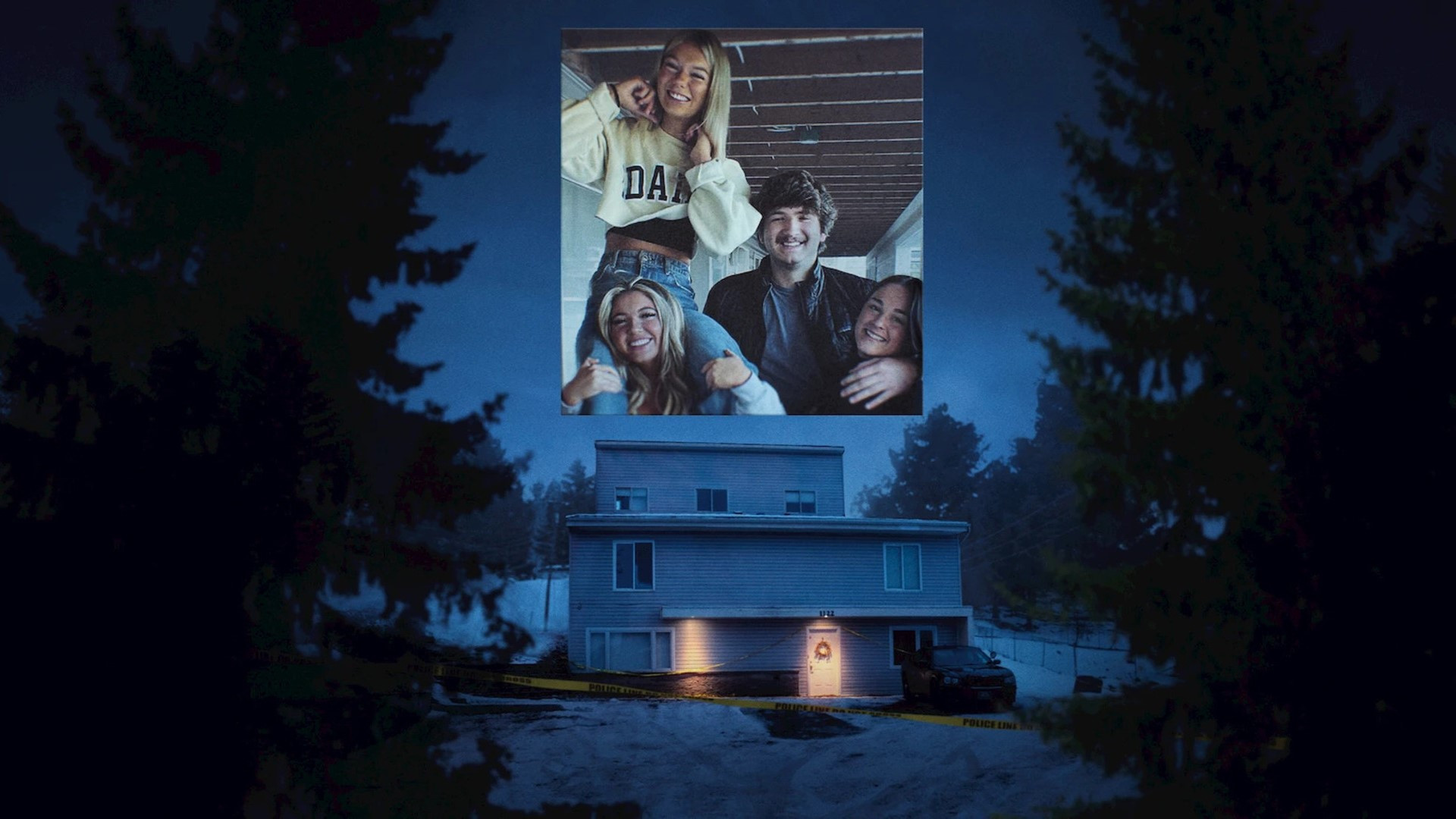
What It Is
Netflix's three-part docuseries about the November 2022 University of Idaho killings, out July 29, 2026. Directed by Skye Borgman with Joe Berlinger as executive producer, the same tag team behind roughly a third of Netflix's true-crime slate. The setup is the one you already know from two years of push notifications: four students in an off-campus house in Moscow, Idaho, a college town that had gone decades without a murder, and a criminology PhD student across the state line who eventually pleaded guilty. Episode one lays out the town, the house, the four kids, and the police silence in the weeks after. The pitch is "unprecedented access" to family members and never-released police footage.
In Its Favor
Borgman is a real filmmaker. Her earlier work (Abducted in Plain Sight, Girl in the Picture) knows how to build a room, hold on a face, let a parent take their time. When the series stays with the families who chose to sit down, it's genuinely moving. The archival police material is new, and the local Moscow texture — the quiet, the snow, the specific horror of a place that doesn't have a playbook for this — is the strongest craft in the show. Cinematography is clean. The interview edit doesn't rush.
The Argument Against
The Goncalves family, whose daughter Kaylee was killed, has spent two years publicly asking outlets to stop making content about this case. Netflix made it anyway, and the show's marketing waves "unprecedented access" like it's a moral defense instead of a scheduling win. Berlinger's fingerprints are all over the framing: the swelling score cue on a photo of a dead 21-year-old, the recreation-adjacent B-roll of the house, the guilty-plea hook used to gesture at closure the series can't actually deliver. It's polished. It's also cynical.
The Right Viewer
If you mainlined Making a Murderer, the Ted Bundy tapes, and every Netflix "the [city] murders" that's landed since, you're the target and you'll finish this in a night. If you tapped out on the genre somewhere around the fourth Jeffrey Dahmer property, or you've read a single interview with the Goncalves family, you'll bounce inside twenty minutes. Anyone who followed the case on TikTok in 2022 will hit long stretches of recap. Anyone who didn't will feel the show reaching for a thesis it never lands on.
Final Word
War Crime isn't about the filmmaking floor, which is competent. It's about the ceiling, which is a producer who keeps returning to grief his subjects have begged him to leave alone, dressed up with a Netflix budget and the word "definitive" in the press notes. The show doesn't lecture in the culture-war sense; it lectures in the true-crime sense, insisting its own existence is a service to the victims while the actual victims' families are on the record saying it isn't. Borgman's craft can't outrun what the project is. The tribunal isn't sentencing the topic. It's sentencing the decision to make it, again, this way, right now.