In this piece · 9 sections+
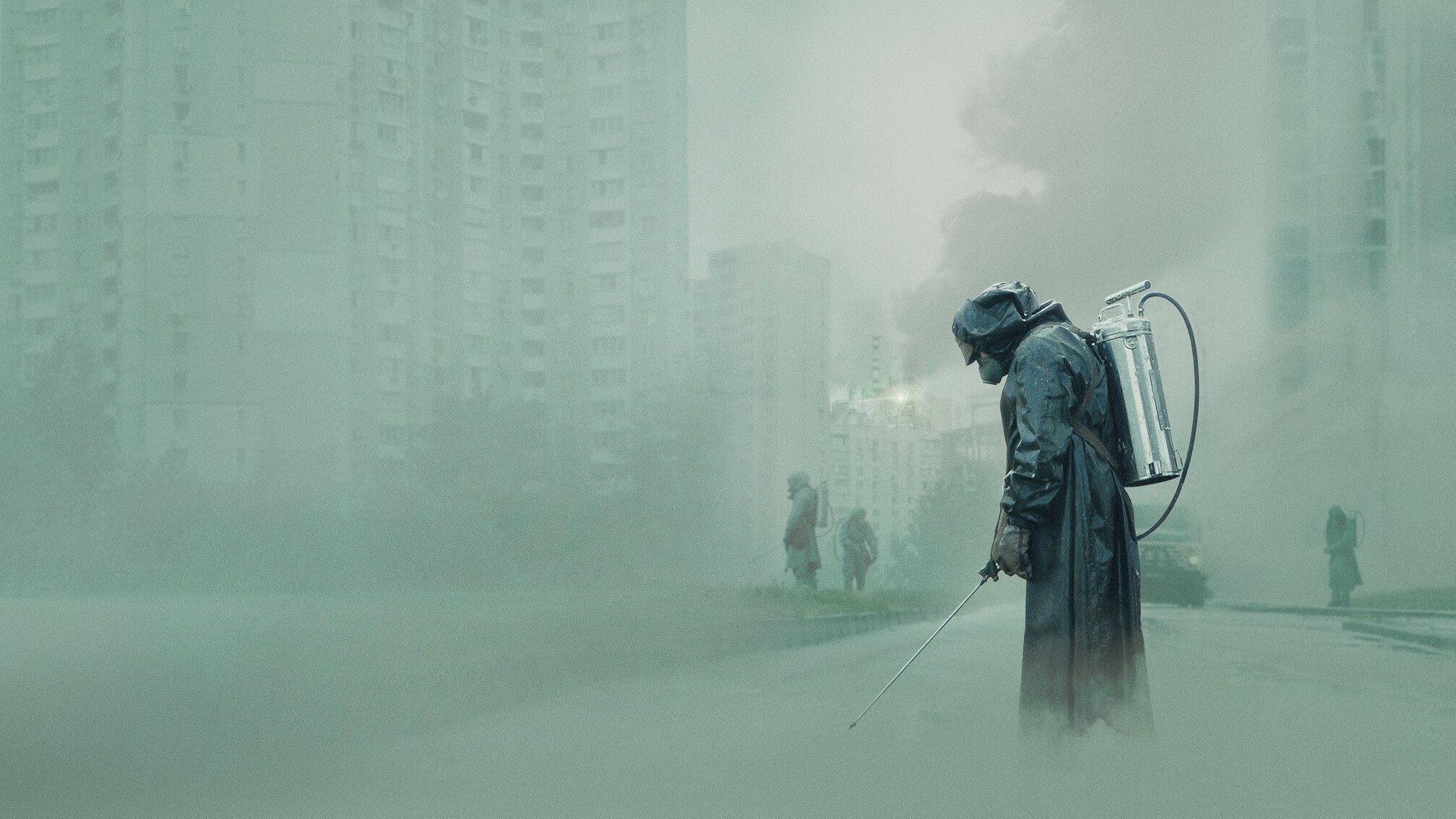
Yes. Chernobyl is worth watching. It's five episodes, it never wastes a scene, and it's one of the highest-rated things HBO has ever aired. Start it tonight.
Here's the case in one paragraph. Craig Mazin wrote a miniseries about a specific engineering failure in 1986 and turned it into a horror story about what happens when a system built on lies meets physics. Jared Harris, Stellan Skarsgård, and Emily Watson do the heavy lifting. The show clocks in at roughly five hours total. It ends. It doesn't limp into a bad second season because HBO wanted more Chernobyl content. Rare. Precious. Watch it.
The quick verdict
Yes, watch it. It's for anyone who likes dense, character-driven drama where the tension comes from procedure and physics instead of car chases. If you loved the pilot of Breaking Bad or you rewatch Zodiac when you can't sleep, you're the audience. If you need levity or you check out the second a show gets grim, this one will grind you down by episode two.
What Chernobyl is actually about
On April 26, 1986, reactor No. 4 at the Chernobyl Nuclear Power Plant in Soviet Ukraine exploded during a safety test. The show covers the accident itself, the immediate response by firefighters and plant workers who had no idea what they were walking into, and the roughly two-year cleanup and inquiry that followed. Jared Harris plays Valery Legasov, the scientist tasked with figuring out what actually happened. Stellan Skarsgård plays a Soviet apparatchik assigned to babysit him. Emily Watson plays a composite scientist who acts as the show's investigator.
Tonally, it's grim. Not miserable-for-its-own-sake grim. It's the specific grim of watching competent people try to solve a problem while their bosses lie to them about the scale of it. There's no romantic subplot. There's no comic relief character. The score is mostly industrial hum, which sounds unbearable until about twelve minutes in, when you realize the hum is the actual sound of an exposed reactor core cooking the sky. Then you can't turn it off.
The math on time
Five episodes. The first four run about an hour. The finale runs an hour and twenty. Total: roughly five hours and twenty minutes. That's a long movie. That's two evenings, or a Saturday with pizza and the good headphones.
Compare that to the shows you're being asked to commit to now. Some prestige drama with eight ten-episode seasons wants 80 hours of your life and delivers maybe fifteen good ones. Chernobyl asks for five and doesn't waste any of them. There's no filler episode. There's no bottle episode where two characters talk in a diner because the writers ran out of budget. Every hour moves the story. That's the deal, and it's a good one.
What it gets right
The writing. Craig Mazin, who up to that point was best known for the Hangover sequels, wrote this like a man possessed. He and his research team (Adam Higginbotham's book Midnight in Chernobyl on Amazon is a good companion read, and the podcast Mazin recorded with Peter Sagan is a masterclass on its own) got the science close enough that actual nuclear engineers grudgingly signed off. More importantly, the dialogue never explains itself to you. Nobody stops to define "xenon poisoning." You pick it up because a scared physicist says it three times in a row.
The performances. Jared Harris plays Legasov as a man whose entire personality is exhaustion. He doesn't do speeches. He does one speech, in the finale, and when he finally lets it out you feel like you've been holding your breath for four hours. Stellan Skarsgård turns a party functionary into the most humane character in the show, which is not what you expect from a Soviet politburo type in a Western production. Emily Watson gets less screen time than she deserves and steals every scene she's in.
The craft. Johan Renck directed all five episodes, which is why they feel like one continuous piece instead of a mixtape. The production design is obsessive. They shot in Lithuania at a decommissioned Soviet reactor, they cast Slavic faces instead of importing Hollywood extras with dyed hair, and the props people apparently sourced actual Soviet-era ashtrays. You can feel it. The show never once looks like a set.
What doesn't work
Okay. Here's the honest part.
The accents are a choice. Everyone is British. There's no attempt at Russian accents, which was the right call (fake Russian accents would've been a disaster), but it does mean you're watching Ukrainian firefighters speak with the crisp diction of the Royal Shakespeare Company. If that's going to break your immersion, know it up front. Most people adjust in fifteen minutes.
Emily Watson's character, Ulana Khomyuk, is a composite. She stands in for dozens of scientists who worked the investigation. Mazin says as much in the credits. It's a defensible move for a five-episode series, but it also means she occasionally functions as a plot device, showing up at exactly the right lab bench to deliver exactly the right piece of information. If you've read the actual history, you might feel the seams.
The finale leans hard on a courtroom scene where Legasov explains what caused the accident using colored cards on a table. It's the most "television" the show ever gets. Some people love it because it finally lets the science breathe. Others think it's a fifteen-minute lecture that grinds the momentum to a halt. I'm in the first camp, but I understand the complaint. If you get to episode five and the pacing feels off, that's why.
The show is also, at times, pretty punishing. There's a scene involving firefighters in a hospital. There's a scene involving animals in the exclusion zone. You will remember both for a while. It's not gore for shock. It's the actual history. But it's a lot.
Who should watch it
If you liked The Wire, Band of Brothers, or the first three seasons of The Americans, this is your show. If you rewatch Zodiac or All the President's Men when you want to feel a specific kind of dread about institutions, yes.
If you bounced off True Detective season one because it was too grim, you'll bounce off this too. If you need at least one character who cracks jokes, this show has approximately zero. If you're looking for something to fold laundry to, absolutely not. You will look up thirty seconds in and realize you have no idea what's happening because you took your eyes off it.
If you're watching with someone who gets anxious about existential threats, maybe pick a different Friday. This is a show about a specific way the modern world can fail, and it's very good at making that feeling stick.
Where to watch it
Chernobyl streams on Max in the U.S. (the streaming service formerly called HBO Max, then Max, and as of writing back to HBO Max again, because the executives running Warner Bros. Discovery apparently get paid per rebrand). It's included with any Max subscription tier. Outside the U.S., check Sky, Now, or your regional HBO carrier. It's also available to rent or buy on Apple TV, Prime Video, and YouTube if you don't want to sign up for another streamer for one show. Renting all five episodes usually runs less than a Max monthly fee, which is a rare piece of good math in 2026.
FAQ
Is Chernobyl overrated?
No. It's an 8.7 on TMDb with over 8,000 votes and it won ten Emmys, and the acclaim tracks. The only real critique is from nuclear historians who point out a few dramatized moments, mostly around the helicopter crash and the "bridge of death" scene. Those are worth knowing about, but they don't sink the show. Watch it and read Higginbotham's book if you want the full record.
Does it get better after episode one?
Episode one is arguably the strongest episode of television HBO aired that year, so this is a weird question, but yes, it stays strong. Episodes two and three are the tightest hours. Episode four slows down a touch to focus on the cleanup crews, which some viewers find is where the show hits hardest. The finale is divisive but earned.
Is it too dark or too slow?
Dark, yes. Slow, no. It moves. The pacing is patient in the way a good thriller is patient, not slow in the way a bloated prestige show is slow. If you're feeling fragile or you just watched something heavy, save it for a week where you can meet it head-on. Don't put it on while you're already spiraling.
Is there a season two?
No, and there won't be. Mazin has said publicly he has no interest in extending it, and the story is complete in five episodes. This is the rare miniseries that actually ends. Enjoy that. Don't expect it again.
Watch episode one tonight. If you're not locked in by the last five minutes, this show isn't for you and no amount of runtime will fix that. If you are, block off a Saturday and finish the rest in one go. It hits harder that way.
✅ WORTH IT
Related guides
- The Best Sci Fi Shows to Watch Right Now, Ranked by a Guy Who's Seen Too Much
- The Best Short Shows to Watch When You Have One Weekend and Zero Patience
- Is Breaking Bad Worth Watching? An Honest Take
- Shows Like Severance: 11 Eerie, Brain-Scrambling Picks That Actually Deliver
- Is The Walking Dead Worth Watching? An Honest Take
Some links above are affiliate links (we're an Amazon Associate) — if you buy through them we may earn a commission. It never changes a verdict.