In this piece · 10 sections+
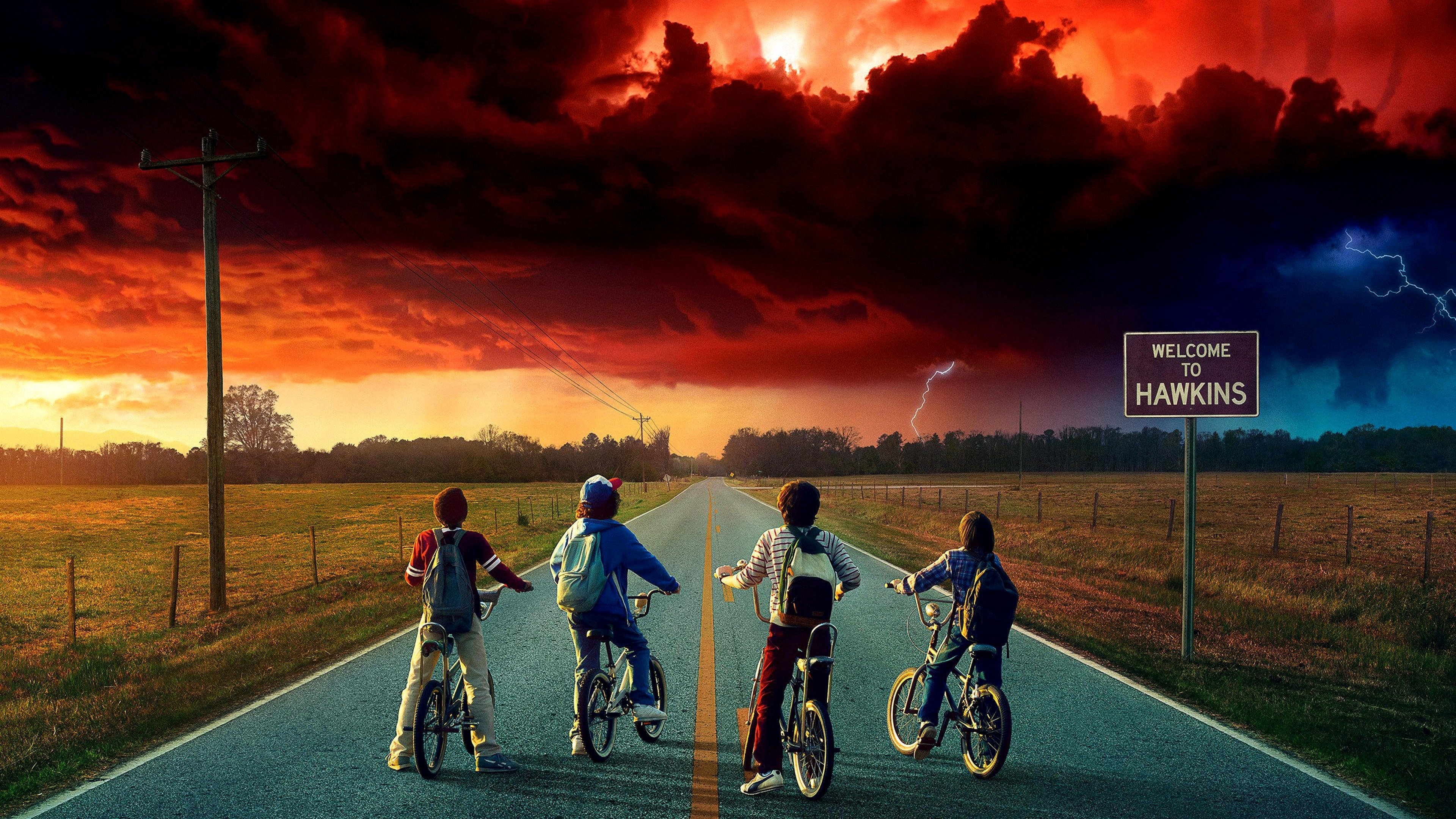
Yes. Stranger Things is worth watching, especially now that it's finished at five seasons and you're not signing up for a decade of cliffhangers with no ending in sight.
The short case: season one is one of the best debut seasons Netflix has ever aired, the cast turned out to be genuinely great, and the show sticks a landing that a lot of prestige TV never even tries for. It's not perfect. It sags in the middle. But it delivers on the thing it promised, which is more than most shows manage.
The quick verdict
Yes, watch it. If you liked 80s Spielberg, King's It, or the first season of Dark, you're the target. If you have zero patience for kids-on-bikes stuff or you've been actively hating on this show since 2017 out of principle, no amount of me talking will change that and you should go do something else. Everyone else — press play.
What Stranger Things is actually about
Small town in Indiana, 1983. A kid disappears. His friends go looking for him, his mom goes off the rails trying to find him, the local sheriff starts pulling threads, and a girl with a shaved head and telekinetic powers shows up out of the woods. Behind all of it is a government lab doing the kind of research that only exists in shows where a government lab is doing research.
Tonally it's a love letter to a specific slice of the 80s — Spielberg, John Carpenter, Stephen King paperbacks, D&D in someone's basement. The Duffer brothers aren't hiding their references and they don't want to. It works because they nailed the two things those movies actually got right: real kids talking like real kids, and adults who are allowed to be scared and stupid and heroic in the same scene. The horror is real enough to matter. The heart is real enough to carry it.
The math on time
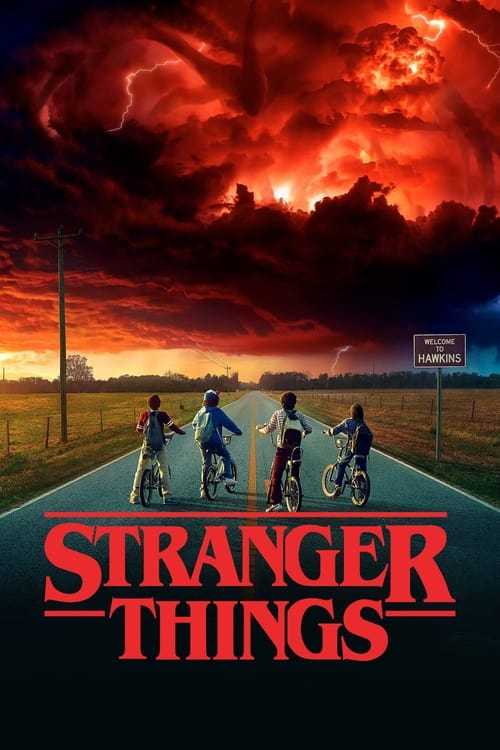
Five seasons, 42 episodes. Runtimes climb as the show goes — early episodes hover around 50 minutes, later ones stretch past 90, and the final season episodes are basically feature films. Ballpark it at 45 hours of television. That's two solid weeks of nightly watching, or a month of "a couple episodes when I get home."
Is it worth 45 hours of your life? For most people, yes, because you'll fly through the first season in a weekend and be committed before you've done the math. The real question is whether seasons two through four are worth the sag, and I'll get to that. Short answer: mostly, if you skim the filler.
What it gets right
The casting. This is the whole thing. Netflix cast a bunch of unknown kids in 2016 and lucked into a group of actors who could actually carry the show as they grew up, which almost never happens. Millie Bobby Brown as Eleven is the headline, but Gaten Matarazzo as Dustin is the glue, Noah Schnapp does the hardest emotional work in the middle seasons, and Joe Keery walked in to play a stock jock villain and became the most beloved character on the show by accident. Winona Ryder gets to do actual acting again. David Harbour turned into a movie star in real time on this show. You watch it partly for these people.
The craft is legitimate. The 80s aesthetic isn't just a Spotify playlist and a Members Only jacket — the Duffers block scenes like Amblin movies, light interiors like Carpenter, and let long stretches play without dialogue when the tension calls for it. The Kate Bush needle drop in season four wasn't a lucky accident; the show has been placing music that specifically for years. The monster design is practical enough to feel real and CG enough to do the impossible things. It looks expensive because it is.
The pacing of season one specifically is a masterclass. Eight episodes, no fat, everything pays off. If the whole show had stayed that tight, we'd be talking about it the way people talk about Breaking Bad. It doesn't stay that tight, which brings us to the honest part.
What doesn't work
Season two has an episode where Eleven leaves the main story to hang out with a gang of punk-rock misfits in Pittsburgh and it is roundly considered one of the worst episodes of prestige TV ever made. You can skip it. Nothing important happens. The show pretends it happened later and then quietly stops pretending.
More broadly: the middle seasons have a bloat problem. Season three is fine but treads water. Season four is genuinely great in stretches and also 13 hours long with plotlines that could've been folded into other plotlines. The Duffers have a real weakness for splitting the party into four groups in four locations and cutting between them for eight episodes, which sounds fun and often is, but sometimes means you're 40 minutes into an episode wondering when we're getting back to the actual story. If you're the kind of viewer who bails when a show gets self-indulgent, you'll feel it here.
The kids-becoming-teenagers problem is real. Some of the cast aged into their roles beautifully. Some subplots got weird because the actors were now 19 playing 15. The show mostly handles it by leaning into the teen-drama stuff, which lands if you liked those characters and grates if you didn't.
And the mythology gets convoluted. If you need every dimension, timeline, and government conspiracy to interlock cleanly, you're going to be annoyed by season four onward. The show is running on vibes and emotional payoff, not airtight lore. Accept that early or you'll be mad later.
✅ WORTH IT
Who should watch it
If you liked It (either version), The Goonies, E.T., or Super 8, this show was engineered in a lab for you.
If you loved the first season of Dark or the mystery-box unfolding of early Lost, the plotting will hit — with the caveat that Stranger Things is warmer and less rigorously constructed than either.
If you bounced off Riverdale because teen soap stuff makes your skin crawl, you'll have some rough patches in seasons three and four but the horror and mystery scaffolding is strong enough to carry you through.
Skip it if: you actively dislike 80s nostalgia as a genre, you need your horror to be actually scary rather than adventure-scary, or you can't stand shows where the main threat is a CGI creature from another dimension. The show is not trying to be Hereditary. It's trying to be an Amblin movie with fangs, and it succeeds.
Where to watch
Stranger Things is a Netflix exclusive. All five seasons stream there, no rent-or-buy workaround, no license expiring — it's the platform's flagship show and it's not going anywhere.
If you've let your Netflix lapse, a single month covers the entire run if you're a fast watcher. There's also a small library of companion stuff — the official Stranger Things soundtrack on Amazon is genuinely worth owning if you care about synth scores, and there are a handful of tie-in novels if you finish the show and can't let go.
FAQ
Is Stranger Things overrated?
No, but it's over-discussed, which isn't the same thing. Season one earned every piece of hype it got, and the show as a whole is better than the backlash suggests. What you're picking up on when people say "overrated" is exhaustion with the discourse, not the show itself. Watch it fresh and judge the episodes, not the tweets.
Does it get better after season one?
Season one is the peak of pacing. Season two is nearly as good if you skip episode seven. Season three is fun but lightweight. Season four is the second-best season, ambitious and long and worth the runtime for the payoff. Season five sticks the landing better than most shows of this size manage. So: it doesn't keep improving in a straight line, but it never falls off a cliff either.
Is it too scary for kids?
Depends on the kid, but broadly it's PG-13 horror — creepy, not traumatizing. The monsters are gnarly and there are a few genuinely upsetting moments involving kids in peril, especially in later seasons. I'd say 12 and up is the safe zone. Under 10, probably not, unless your kid already handles Goosebumps and Tim Burton without flinching.
Do I need to have watched 80s movies to get it?
No. The references make it richer if you catch them, but the show works completely on its own terms. Plenty of people who've never seen an Amblin movie in their life are the show's biggest fans. The 80s stuff is texture, not a prerequisite.
What to do tonight
Press play on season one, episode one. Give it three episodes. By the end of episode three you'll either be in for the whole run or you'll know for sure it's not for you. That's the honest test — no other season is going to convince you if the first three don't.
Related guides
Some links above are affiliate links (we're an Amazon Associate) — if you buy through them we may earn a commission. It never changes a verdict.